Research Presentation Session: Radiographers
RPS 414 - Educating radiographers for enhanced patient care
Lectures
1
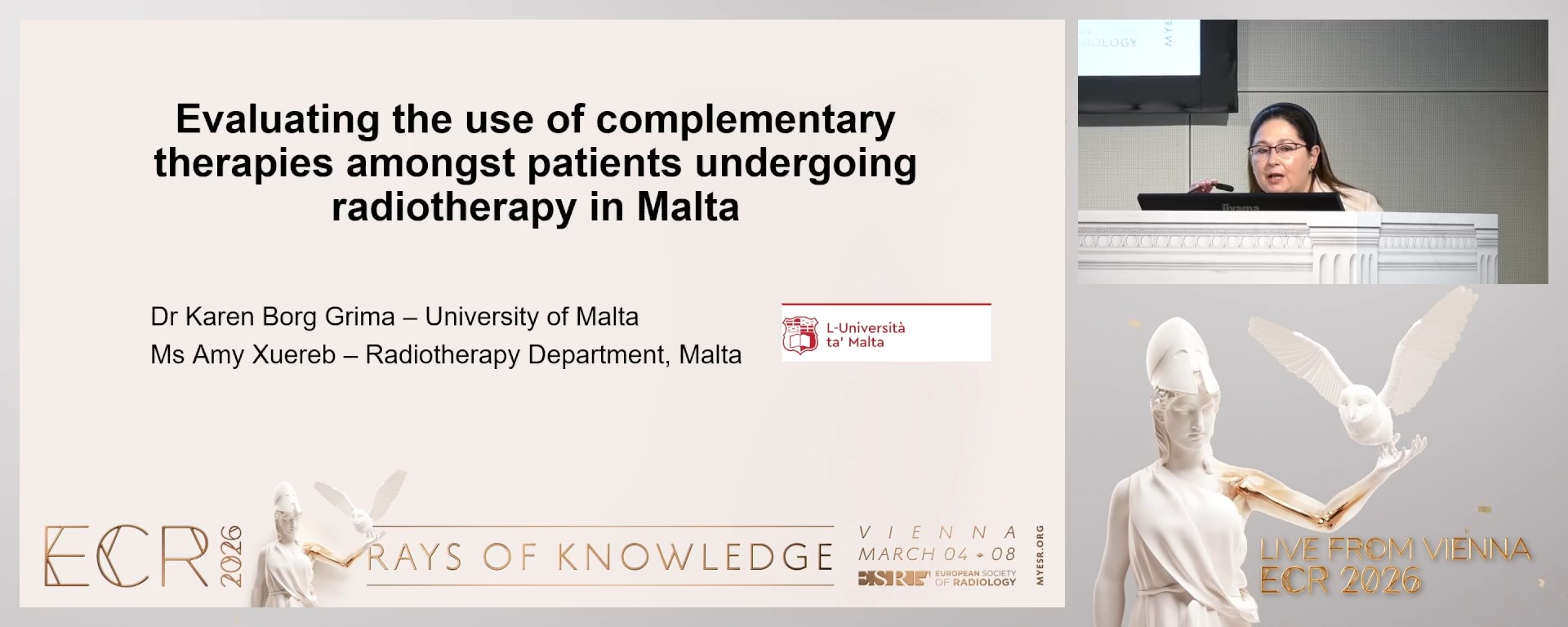
Evaluating the use of complementary therapies amongst patients undergoing radiotherapy in Malta
06:00Karen Borg Grima, Naxxar / MT
2
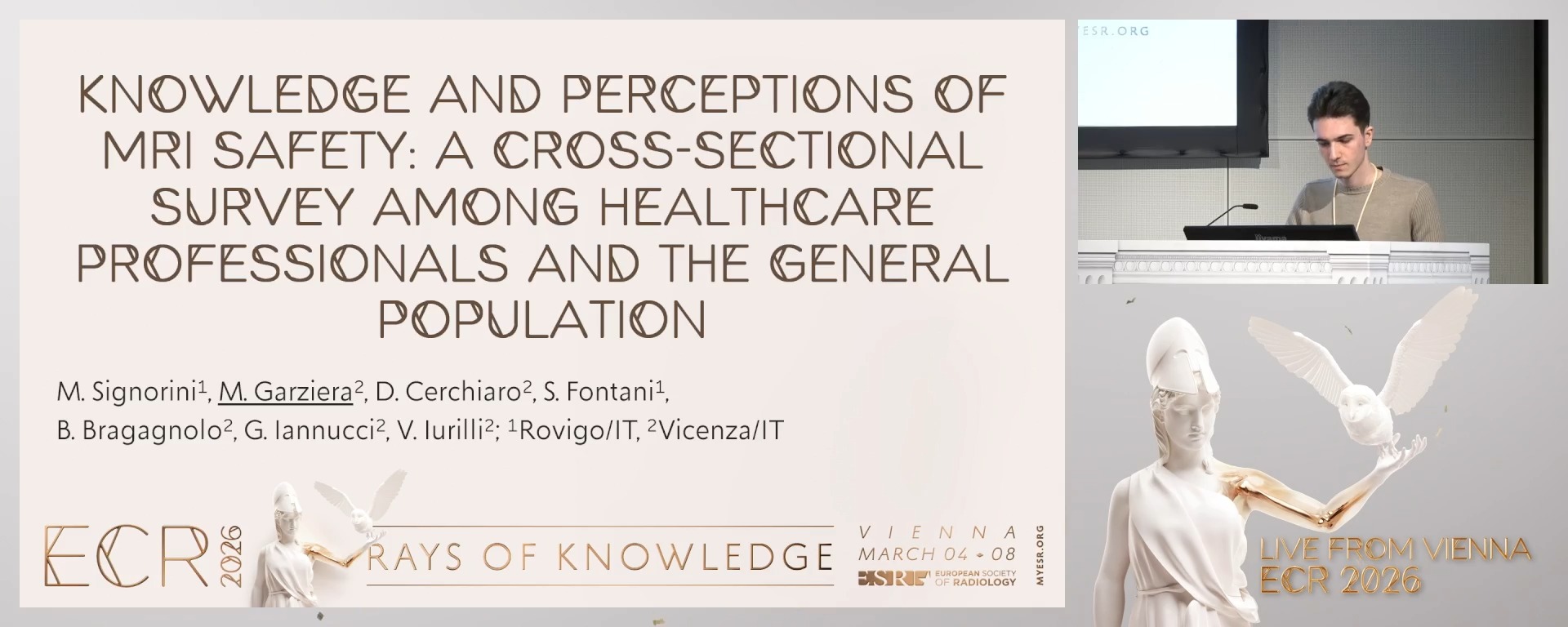
Knowledge and Perceptions of MRI Safety: A Cross-Sectional Survey Among Healthcare Professionals and the General Population
06:00Matteo Garziera, Thiene / IT
3
Structured SimZones in CT education: enhancing clinical reasoning with immersive simulation
06:00Rui Pedro Pereira Almeida, Esch-Sur-Alzette / LU
4
Personalised CT/MRI Placements: Tailored Clinical Training
06:00Angie Devetti, Udine / IT
5
Radiographers’ Role and Practice in Suspected Cases of Child Physical Abuse in Malta
06:00Emma Buttigieg, Xewkija / MT
6
AIMIROE - Artificial Intelligence in Medical Imaging and Radiation Oncology (MIRO) Education: A European Survey
06:00Hendrik Garbrand Erenstein, Groningen / NL
7
Transformative e-learning to enhance radiographers’ care of older adults: outcomes from a multi-module educational course
06:00Amanda Er, Singapore / SG
8
Person-centred care education in practice: students' and academics' evaluation of a postgraduate radiography module
06:00Emily Skelton, London / UK
9
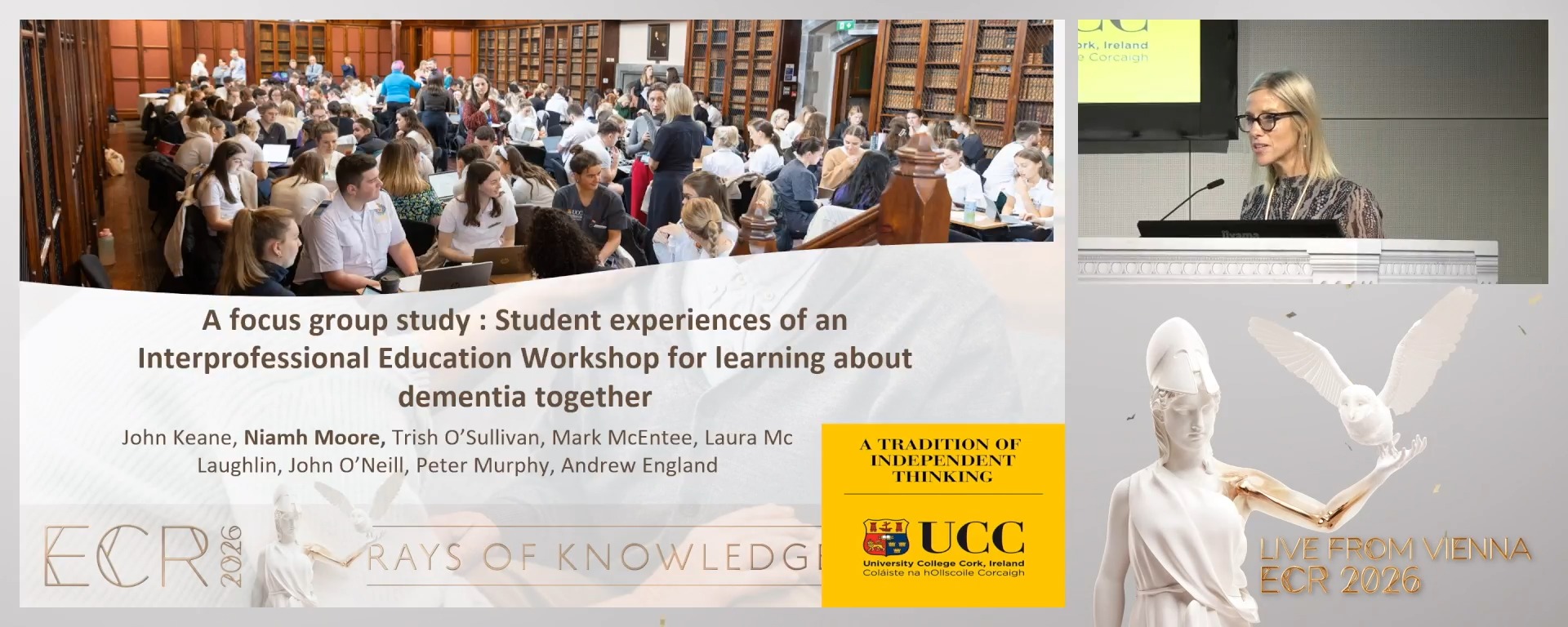
A focus group study of student experiences of an Interprofessional Education Workshop (IPE) for learning about dementia together
06:00Niamh Moore, Cork / IE
10
Global Classrooms: Virtual Exchange Strengthens Students' Ethical and Patient Safety Competence
06:00Bodil T Andersson, Ahus / SE
11
Radiographers as knowledge translators
06:00Marco De Summa, Rome / IT
12
From preparation to perception in rectal MRI: Improving patient experiences with self-administered micro-enemas
06:00Lyanne Molenaar, Amsterdam / NL
13
Radiographers’ awareness and patients’ needs on risk-benefit communication in nuclear medicine: A Cross-Sectional Study
06:00Nicole Agius, Floriana / MT
14
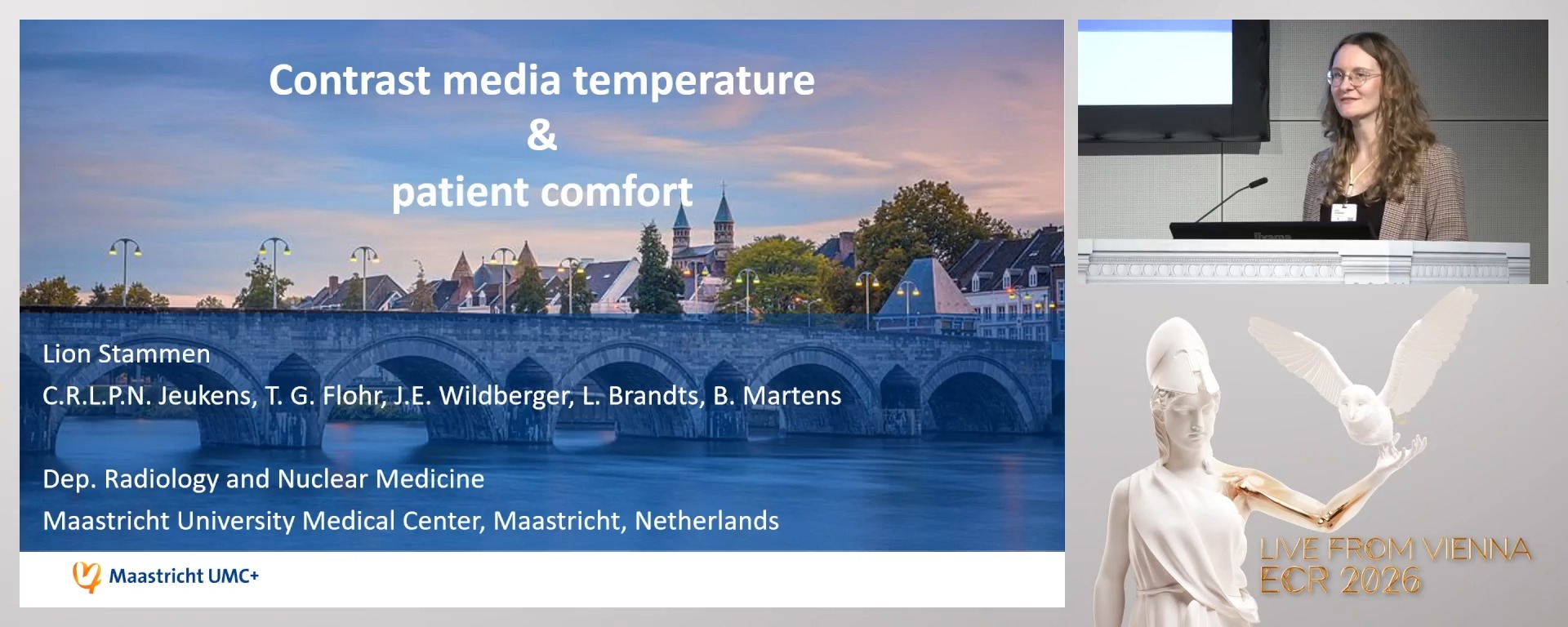
Impact of flow rate on Patient comfort, extravasation incidence and allergic-like reactions during administration of iodinated contrast media at room temperature: CATCHY III Trial
06:00Lion Stammen, Maastricht / NL
6 min
Evaluating the use of complementary therapies amongst patients undergoing radiotherapy in Malta
Karen Borg Grima, Naxxar / Malta
Author Block: K. Borg Grima, A. Xuereb; Msida/MT
Purpose: Complementary therapies (CTs) are increasingly recognised for their potential to improve quality of life in oncology care. However, evidence regarding their awareness, utilisation, and acceptance among Maltese cancer patients remains limited. This study aimed to assess patient awareness, explore demographic influences, and evaluate willingness to use CTs within the state oncology hospital.
Methods or Background: A cross-sectional, non-experimental, prospective research was conducted with patients undergoing radical radiotherapy. A self-designed questionnaire, incorporating both quantitative and limited qualitative components, was distributed to 140 eligible participants. Ninety-one completed responses were analysed (65% response rate). Data was processed using IBM SPSS® version 27. Chi-square, Kruskal–Wallis, and Friedman tests were applied to evaluate associations between demographics and CT use, with statistical significance set at p<0.05.
Results or Findings: Over half of the participants (57.8% females; 42.2% males) reported prior use of CTs. Younger patients (76.9% aged 18–47 years) and those with tertiary education (82.6%) were most likely to use CTs. Awareness of at least one CT was reported by 88% of respondents, with massage (68.1%), yoga (58.2%), dietary supplements (46.2%), and meditation (46.2%) being the most commonly cited. Willingness to use CTs if offered freely within the hospital was expressed by 95.6% of patients. The Friedman test indicated the strongest agreement that a wider range of CTs should be available in Malta (mean 4.27), and that more patient education is required before using such additional therapies.
Conclusion: The findings highlight strong awareness, favourable attitudes, and clear demand for CT integration within oncology services in Malta. Younger and better-educated patients were most likely to utilise CTs. Implementation may improve holistic cancer care and patient wellbeing, while promoting patient education on additional cancer therapies.
Limitations: Study limitations included a reduced participant sample size, limiting generalisability.
Funding for this study: No funding was used for this study
Has your study been approved by an ethics committee? Yes
Ethics committee - additional information: The study was approved by the University Research Ethics Committee (reference number: 9094_15062021_).
Purpose: Complementary therapies (CTs) are increasingly recognised for their potential to improve quality of life in oncology care. However, evidence regarding their awareness, utilisation, and acceptance among Maltese cancer patients remains limited. This study aimed to assess patient awareness, explore demographic influences, and evaluate willingness to use CTs within the state oncology hospital.
Methods or Background: A cross-sectional, non-experimental, prospective research was conducted with patients undergoing radical radiotherapy. A self-designed questionnaire, incorporating both quantitative and limited qualitative components, was distributed to 140 eligible participants. Ninety-one completed responses were analysed (65% response rate). Data was processed using IBM SPSS® version 27. Chi-square, Kruskal–Wallis, and Friedman tests were applied to evaluate associations between demographics and CT use, with statistical significance set at p<0.05.
Results or Findings: Over half of the participants (57.8% females; 42.2% males) reported prior use of CTs. Younger patients (76.9% aged 18–47 years) and those with tertiary education (82.6%) were most likely to use CTs. Awareness of at least one CT was reported by 88% of respondents, with massage (68.1%), yoga (58.2%), dietary supplements (46.2%), and meditation (46.2%) being the most commonly cited. Willingness to use CTs if offered freely within the hospital was expressed by 95.6% of patients. The Friedman test indicated the strongest agreement that a wider range of CTs should be available in Malta (mean 4.27), and that more patient education is required before using such additional therapies.
Conclusion: The findings highlight strong awareness, favourable attitudes, and clear demand for CT integration within oncology services in Malta. Younger and better-educated patients were most likely to utilise CTs. Implementation may improve holistic cancer care and patient wellbeing, while promoting patient education on additional cancer therapies.
Limitations: Study limitations included a reduced participant sample size, limiting generalisability.
Funding for this study: No funding was used for this study
Has your study been approved by an ethics committee? Yes
Ethics committee - additional information: The study was approved by the University Research Ethics Committee (reference number: 9094_15062021_).
6 min
Knowledge and Perceptions of MRI Safety: A Cross-Sectional Survey Among Healthcare Professionals and the General Population
Matteo Garziera, Thiene / Italy
Author Block: M. Signorini1, M. Garziera2, D. Cerchiaro2, S. Fontani1, B. Bragagnolo2, G. Iannucci2, V. Iurilli2; 1Rovigo/IT, 2Vicenza/IT
Purpose: To evaluate the level of knowledge and perceptions regarding MRI safety among healthcare professionals and the general population, identifying well-understood topics and critical misconceptions, in order to inform targeted educational strategies.
Methods or Background: A cross-sectional online survey was developed (Google Forms) and distributed between June–August 2025 via hospital networks and social media. The questionnaire comprised demographic items, a self-assessment of knowledge (5-point Likert scale), 13 core safety questions and 6 advanced safety questions. Respondents were categorized as: radiologists, radiographers (TSRM), non-radiologist physicians, other healthcare workers, students, and general population. Data were analyzed with χ² tests, Kruskal–Wallis, Spearman correlation, and logistic regression.
Results or Findings: A total of 524 valid responses were collected: 30% general population and 70% healthcare professionals. Overall, healthcare workers achieved significantly higher accuracy than the general population across all 13 core questions (p<0.001, large effect sizes). Radiologists obtained the highest mean accuracy (72.4%), followed by radiographers (66.8%) and non-radiologist physicians (61.2%), while other healthcare workers (54.1%) and students (58.7%) scored lower. Critical knowledge gaps emerged across all groups regarding removal of contact lenses (<30% correct) and recognition of common transient effects (≤13%). Logistic regression confirmed radiologists were significantly more likely to answer correctly on advanced items such as ventriculo-peritoneal shunts (OR 2.85, p<0.001) and long-term effects (OR 2.12, p=0.005). Self-perceived knowledge correlated with actual accuracy among professionals (ρ=0.14, p=0.009), but not in the general population.
Conclusion: Substantial differences exist between professionals and laypersons, and across professional subgroups, in MRI safety knowledge. While radiologists demonstrate the highest competence, recurrent misconceptions persist in all categories, underscoring the need for targeted educational initiatives.
Limitations: Convenience sampling via online distribution may introduce selection bias; self-reported professional categories were not externally verified.
Funding for this study: None
Has your study been approved by an ethics committee? Not applicable
Ethics committee - additional information:
Purpose: To evaluate the level of knowledge and perceptions regarding MRI safety among healthcare professionals and the general population, identifying well-understood topics and critical misconceptions, in order to inform targeted educational strategies.
Methods or Background: A cross-sectional online survey was developed (Google Forms) and distributed between June–August 2025 via hospital networks and social media. The questionnaire comprised demographic items, a self-assessment of knowledge (5-point Likert scale), 13 core safety questions and 6 advanced safety questions. Respondents were categorized as: radiologists, radiographers (TSRM), non-radiologist physicians, other healthcare workers, students, and general population. Data were analyzed with χ² tests, Kruskal–Wallis, Spearman correlation, and logistic regression.
Results or Findings: A total of 524 valid responses were collected: 30% general population and 70% healthcare professionals. Overall, healthcare workers achieved significantly higher accuracy than the general population across all 13 core questions (p<0.001, large effect sizes). Radiologists obtained the highest mean accuracy (72.4%), followed by radiographers (66.8%) and non-radiologist physicians (61.2%), while other healthcare workers (54.1%) and students (58.7%) scored lower. Critical knowledge gaps emerged across all groups regarding removal of contact lenses (<30% correct) and recognition of common transient effects (≤13%). Logistic regression confirmed radiologists were significantly more likely to answer correctly on advanced items such as ventriculo-peritoneal shunts (OR 2.85, p<0.001) and long-term effects (OR 2.12, p=0.005). Self-perceived knowledge correlated with actual accuracy among professionals (ρ=0.14, p=0.009), but not in the general population.
Conclusion: Substantial differences exist between professionals and laypersons, and across professional subgroups, in MRI safety knowledge. While radiologists demonstrate the highest competence, recurrent misconceptions persist in all categories, underscoring the need for targeted educational initiatives.
Limitations: Convenience sampling via online distribution may introduce selection bias; self-reported professional categories were not externally verified.
Funding for this study: None
Has your study been approved by an ethics committee? Not applicable
Ethics committee - additional information:
6 min
Structured SimZones in CT education: enhancing clinical reasoning with immersive simulation
Rui Pedro Pereira Almeida, Esch-sur-Alzette / Luxembourg
Author Block: E. Stefani1, M. Centenaro1, R. P. P. Almeida2; 1Padova/IT, 2Esch-sur-Alzette/LU
Purpose: Traditional CT education often emphasizes technical competence, with limited opportunities to practice decision-making and clinical reasoning. The SimZones framework (Roussin & Weinstock, 2017) provides a structured pathway of increasing complexity for simulation-based learning. Its integration with immersive high-fidelity technologies may enhance diagnostic judgment and bridge the gap between classroom and clinical environments. To evaluate the effectiveness of a structured CT simulation program based on the SimZones model in strengthening clinical reasoning and operational confidence among undergraduate radiography students.
Methods or Background: Four immersive simulation sessions focusing on CT modules were delivered to 24 second- and third-year students. The program was designed within SimZones 2 and 3 and included pre-briefing, guided scenarios, and reflective debriefing. Effectiveness was assessed using the validated Italian version of the Simulation Effectiveness Tool–Modified (SET-M). Data analysis included descriptive statistics of 19 items and correlation across cognitive, technical, and decision-making domains.
Results or Findings: Overall SET-M scores were high (mean 2.4/3). Decision-making achieved a mean of 2.41, while debriefing received the highest rating (2.55). A strong correlation (r = 0.75) was observed between pre-briefing quality and the ability to manage complex scenarios. Moderate correlations (r = 0.68) were found between technical knowledge, patient safety, and decision-making autonomy. Qualitative feedback highlighted increased situational clinical reasoning, confidence, and awareness of professional roles.
Conclusion: Structured CT simulation based on the SimZones framework, combined with immersive technologies, effectively enhances clinical reasoning and confidence in radiography students. This approach strengthens the educational impact of simulation, bridging academic learning with clinical practice, and offers a sustainable, replicable model for next-generation radiography education.
Limitations: None
Funding for this study: None
Has your study been approved by an ethics committee? Not applicable
Ethics committee - additional information:
Purpose: Traditional CT education often emphasizes technical competence, with limited opportunities to practice decision-making and clinical reasoning. The SimZones framework (Roussin & Weinstock, 2017) provides a structured pathway of increasing complexity for simulation-based learning. Its integration with immersive high-fidelity technologies may enhance diagnostic judgment and bridge the gap between classroom and clinical environments. To evaluate the effectiveness of a structured CT simulation program based on the SimZones model in strengthening clinical reasoning and operational confidence among undergraduate radiography students.
Methods or Background: Four immersive simulation sessions focusing on CT modules were delivered to 24 second- and third-year students. The program was designed within SimZones 2 and 3 and included pre-briefing, guided scenarios, and reflective debriefing. Effectiveness was assessed using the validated Italian version of the Simulation Effectiveness Tool–Modified (SET-M). Data analysis included descriptive statistics of 19 items and correlation across cognitive, technical, and decision-making domains.
Results or Findings: Overall SET-M scores were high (mean 2.4/3). Decision-making achieved a mean of 2.41, while debriefing received the highest rating (2.55). A strong correlation (r = 0.75) was observed between pre-briefing quality and the ability to manage complex scenarios. Moderate correlations (r = 0.68) were found between technical knowledge, patient safety, and decision-making autonomy. Qualitative feedback highlighted increased situational clinical reasoning, confidence, and awareness of professional roles.
Conclusion: Structured CT simulation based on the SimZones framework, combined with immersive technologies, effectively enhances clinical reasoning and confidence in radiography students. This approach strengthens the educational impact of simulation, bridging academic learning with clinical practice, and offers a sustainable, replicable model for next-generation radiography education.
Limitations: None
Funding for this study: None
Has your study been approved by an ethics committee? Not applicable
Ethics committee - additional information:
6 min
Personalised CT/MRI Placements: Tailored Clinical Training
Angie Devetti, Udine / Italy
Author Block: A. Devetti, S. Da Dalt; Udine/IT
Purpose: This project details the implementation and evaluation of a personalised, advanced clinical placement model in CT and MRI for undergraduate radiographers. The overarching objective is to deepen and specialise students' practical proficiency in both modalities whilst fostering reflective self-assessment and self-efficacy.
Methods or Background: The advanced placement, structured as a mixed-modality block following two standard, dedicated 6-week continuous blocks in CT and MRI, is collaboratively designed with each student upon demonstrating high foundational competence and autonomy. This phase shifts emphasis from core principles to refining advanced skills in areas of high clinical relevance or student interest (3T prostate MRI, DECT urography, cardiac imaging). Learning objectives are deliberately flexible, adapting to the host clinical site’s available caseload. Students who achieved lower prior performance primarily focus on consolidation of core competencies.
Results or Findings: The preliminary introduction of this personalised model suggests a marked increase in student engagement and the acquisition of highly targeted, specialised technical skills. The individualised learning pathways allowed high-performing students to effectively manage and contribute to advanced procedures, exceeding standard undergraduate placement outcomes. Conversely, the tailored objectives successfully remediated skill deficits in lower-performing cohorts.
Conclusion: The personalised, mixed-modality placement represents a sophisticated pedagogical evolution in radiographer training. By linking specific learning objectives to prior performance and individual inclination, this approach ensures maximal clinical exposure relevance and promotes the development of highly capable and motivated practitioners.
Limitations: The model's efficacy, tested on a small cohort of 16 students, was inherently restricted by clinical site casemix and operational flow, potentially limiting exposure to every pre-agreed objective. To counteract inherent self-report bias in the final reflective assessment, the students' individual reports were robustly cross-referenced with the summative evaluation provided by experienced placement mentors.
Funding for this study: There was no funding for this study.
Has your study been approved by an ethics committee? Not applicable
Ethics committee - additional information:
Purpose: This project details the implementation and evaluation of a personalised, advanced clinical placement model in CT and MRI for undergraduate radiographers. The overarching objective is to deepen and specialise students' practical proficiency in both modalities whilst fostering reflective self-assessment and self-efficacy.
Methods or Background: The advanced placement, structured as a mixed-modality block following two standard, dedicated 6-week continuous blocks in CT and MRI, is collaboratively designed with each student upon demonstrating high foundational competence and autonomy. This phase shifts emphasis from core principles to refining advanced skills in areas of high clinical relevance or student interest (3T prostate MRI, DECT urography, cardiac imaging). Learning objectives are deliberately flexible, adapting to the host clinical site’s available caseload. Students who achieved lower prior performance primarily focus on consolidation of core competencies.
Results or Findings: The preliminary introduction of this personalised model suggests a marked increase in student engagement and the acquisition of highly targeted, specialised technical skills. The individualised learning pathways allowed high-performing students to effectively manage and contribute to advanced procedures, exceeding standard undergraduate placement outcomes. Conversely, the tailored objectives successfully remediated skill deficits in lower-performing cohorts.
Conclusion: The personalised, mixed-modality placement represents a sophisticated pedagogical evolution in radiographer training. By linking specific learning objectives to prior performance and individual inclination, this approach ensures maximal clinical exposure relevance and promotes the development of highly capable and motivated practitioners.
Limitations: The model's efficacy, tested on a small cohort of 16 students, was inherently restricted by clinical site casemix and operational flow, potentially limiting exposure to every pre-agreed objective. To counteract inherent self-report bias in the final reflective assessment, the students' individual reports were robustly cross-referenced with the summative evaluation provided by experienced placement mentors.
Funding for this study: There was no funding for this study.
Has your study been approved by an ethics committee? Not applicable
Ethics committee - additional information:
6 min
Radiographers’ Role and Practice in Suspected Cases of Child Physical Abuse in Malta
Emma Buttigieg, Xewkija, Gozo / Malta
Author Block: E. Buttigieg, J. L. Portelli; Msida/MT
Purpose: Radiographers are frequently among the first healthcare professionals to encounter patients presenting with signs or injuries that may be indicative of physical abuse. The purpose of this study was to examine the role and current clinical practices of radiographers in Malta in the detection and management of Suspected Child Physical Abuse (SCPA).
Methods or Background: From a target population of 44 radiographers working in the A&E department of the public general hospital and/or public health centres in Malta, 36 (81.88%) completed an online questionnaire developed for this study.
Results or Findings: Most radiographers (66.7%) had encountered SCPA, with 47.2% reporting occasional cases. All recognised physical and behavioural indicators, however 83.4% reported limited familiarity with radiological signs of SCPA, indicating potential training gaps. While 61.1% identified the detection and reporting of SCPA as part of their professional duties, only 41.7% were aware of a legal obligation to report, and 63.9% lacked knowledge of departmental protocols. Although 77.8% stated they would report suspected cases, confidence varied: 77.8% felt competent in producing high-quality images for legal proceedings, whereas 55.6% reported only moderate competence in providing court testimony. Training gaps were notable, with half indicating they had never received formal training and 66.7% unaware of available training opportunities. Nevertheless, 83.3% valued specialised training in SCPA, with 94.4% supporting mandatory periodic training programmes.
Conclusion: Radiographers play a pivotal role in safeguarding children, but variability in knowledge, awareness, and radiographic interpretation, may impede timely intervention. While most acknowledged their responsibilities and demonstrated understanding of SCPA, gaps in knowledge and familiarity with procedural frameworks were evident. Structured education, targeted training, and clear protocols are needed to strengthen radiographers’ contribution to multidisciplinary child protection.
Limitations: As a single-centre, cross-sectional study, the findings may not be generalisable.
Funding for this study: None
Has your study been approved by an ethics committee? Yes
Ethics committee - additional information: Formal ethical approval was obtained from the University Research Ethics Committee (UREC) and the Faculty Research Ethics Committee (FREC) under reference number FHS-2024-00359.
Purpose: Radiographers are frequently among the first healthcare professionals to encounter patients presenting with signs or injuries that may be indicative of physical abuse. The purpose of this study was to examine the role and current clinical practices of radiographers in Malta in the detection and management of Suspected Child Physical Abuse (SCPA).
Methods or Background: From a target population of 44 radiographers working in the A&E department of the public general hospital and/or public health centres in Malta, 36 (81.88%) completed an online questionnaire developed for this study.
Results or Findings: Most radiographers (66.7%) had encountered SCPA, with 47.2% reporting occasional cases. All recognised physical and behavioural indicators, however 83.4% reported limited familiarity with radiological signs of SCPA, indicating potential training gaps. While 61.1% identified the detection and reporting of SCPA as part of their professional duties, only 41.7% were aware of a legal obligation to report, and 63.9% lacked knowledge of departmental protocols. Although 77.8% stated they would report suspected cases, confidence varied: 77.8% felt competent in producing high-quality images for legal proceedings, whereas 55.6% reported only moderate competence in providing court testimony. Training gaps were notable, with half indicating they had never received formal training and 66.7% unaware of available training opportunities. Nevertheless, 83.3% valued specialised training in SCPA, with 94.4% supporting mandatory periodic training programmes.
Conclusion: Radiographers play a pivotal role in safeguarding children, but variability in knowledge, awareness, and radiographic interpretation, may impede timely intervention. While most acknowledged their responsibilities and demonstrated understanding of SCPA, gaps in knowledge and familiarity with procedural frameworks were evident. Structured education, targeted training, and clear protocols are needed to strengthen radiographers’ contribution to multidisciplinary child protection.
Limitations: As a single-centre, cross-sectional study, the findings may not be generalisable.
Funding for this study: None
Has your study been approved by an ethics committee? Yes
Ethics committee - additional information: Formal ethical approval was obtained from the University Research Ethics Committee (UREC) and the Faculty Research Ethics Committee (FREC) under reference number FHS-2024-00359.
6 min
AIMIROE - Artificial Intelligence in Medical Imaging and Radiation Oncology (MIRO) Education: A European Survey
Hendrik Garbrand Erenstein, Groningen / Netherlands
Author Block: H. G. Erenstein1, R. G. L. Decoster2, J. Menzinga1, N. Stogiannos3, C. Malamateniou3; 1Groningen, Gr/NL, 2Brussels/BE, 3London/UK
Purpose: AI is reshaping Medical Imaging Radiation Oncology (MIRO), but limited awareness and education hinder adoption. This EuSoMII-led study, in collaboration with EFRS, identifies EU-based AI programs for MIRO and aims to centralize them on an accessible platform to support ethical use, compliance, and professional growth.
Methods or Background: A Qualtrics-based electronic survey was developed and piloted with six MIRO-professionals to collect data on European AI course characteristics (e.g. format and delivery, content, and audience target audience). Ethical approval was granted by KU Leuven (Ref: G-2024082214). The survey was disseminated via snowball sampling through social media, and mailing lists of EuSoMII and EFRS between September 16, 2024, and January 16, 2025.
Results or Findings: This study identified 30 MIRO-related AI courses across Europe. Most (55.2%) were offered by universities, with industry and professional bodies contributing 20.7% and 17.2%. Courses targeted radiographers, medical physicists, and radiologists (40–60%), mainly at EQF7 level (42.9%). Most were standalone (76.7%), online (53.3%), and free (43.3%), with nearly half lasting under a week. English was the primary language (76.7%), and 80% were openly accessible.
Conclusion: Short AI courses for MIRO professionals across Europe offer accessible entry points but often lack depth and hands-on experience. Expanding formats, multilingual access, and global inclusivity, especially in low-resource settings, are essential for meaningful, practical, and equitable AI integration.
Limitations: The study used self-reported data and snowball sampling, which may have introduced selection bias and limited course coverage. Conducting the survey in English may have excluded non-English responses and overlooked multilingual offerings. Course details were based on publicly available information, and rapid changes in AI education may affect the relevance of findings.
Funding for this study: No external funding was received for this study.
Has your study been approved by an ethics committee? Yes
Ethics committee - additional information: Ethical approval was granted by KU Leuven (Ref: G-2024082214)
Purpose: AI is reshaping Medical Imaging Radiation Oncology (MIRO), but limited awareness and education hinder adoption. This EuSoMII-led study, in collaboration with EFRS, identifies EU-based AI programs for MIRO and aims to centralize them on an accessible platform to support ethical use, compliance, and professional growth.
Methods or Background: A Qualtrics-based electronic survey was developed and piloted with six MIRO-professionals to collect data on European AI course characteristics (e.g. format and delivery, content, and audience target audience). Ethical approval was granted by KU Leuven (Ref: G-2024082214). The survey was disseminated via snowball sampling through social media, and mailing lists of EuSoMII and EFRS between September 16, 2024, and January 16, 2025.
Results or Findings: This study identified 30 MIRO-related AI courses across Europe. Most (55.2%) were offered by universities, with industry and professional bodies contributing 20.7% and 17.2%. Courses targeted radiographers, medical physicists, and radiologists (40–60%), mainly at EQF7 level (42.9%). Most were standalone (76.7%), online (53.3%), and free (43.3%), with nearly half lasting under a week. English was the primary language (76.7%), and 80% were openly accessible.
Conclusion: Short AI courses for MIRO professionals across Europe offer accessible entry points but often lack depth and hands-on experience. Expanding formats, multilingual access, and global inclusivity, especially in low-resource settings, are essential for meaningful, practical, and equitable AI integration.
Limitations: The study used self-reported data and snowball sampling, which may have introduced selection bias and limited course coverage. Conducting the survey in English may have excluded non-English responses and overlooked multilingual offerings. Course details were based on publicly available information, and rapid changes in AI education may affect the relevance of findings.
Funding for this study: No external funding was received for this study.
Has your study been approved by an ethics committee? Yes
Ethics committee - additional information: Ethical approval was granted by KU Leuven (Ref: G-2024082214)
6 min
Transformative e-learning to enhance radiographers’ care of older adults: outcomes from a multi-module educational course
Amanda Er, Singapore / Singapore
Author Block: A. Er, L. H. Sng; Singapore/SG
Purpose: With a rapidly ageing population, radiographers are increasingly caring for older adults who require unique physical and cognitive considerations. Yet, radiography curricula often provide limited training in this area, potentially compromising patient-centred care. This study evaluated the effectiveness of a transformative e-learning course in enhancing qualified radiographers’ knowledge, communication strategies, and reflective practices when caring for older adult patients.
Methods or Background: A total of 189 radiographers from a Singapore healthcare cluster completed a two-hour, four-module self-directed e-learning course. The programme was grounded in transformative learning theory, encouraging participants to challenge assumptions and engage in reflective practice. Knowledge was assessed through pre- and post-course multiple-choice questions, and learning effectiveness was analysed using paired t-tests. Additionally, open-ended reflective responses were subjected to thematic analysis to capture qualitative insights into changes in practice.
Results or Findings: Knowledge scores improved significantly, rising from a mean of 76.8% pre-course to 96.0% post-course (p<0.001). Thematic analysis of reflective responses revealed four dominant themes: patient communication and rapport building, compassionate care approaches, workplace challenges and adaptations, and professional growth and self-reflection. Together, these findings suggest both cognitive and attitudinal benefits of the intervention.
Conclusion: A short, theory-informed e-learning course produced significant improvements in radiographers’ knowledge and reflective practice when caring for older adults. While participants highlighted the value of communication and compassion, tensions between best practice and workplace time constraints remain an ongoing barrier to implementation.
Limitations: Voluntary participation introduced self-selection bias, limiting generalisability of findings.
Funding for this study: Funding was provided by the SingHealth Duke-NUS Radiological Sciences Clinical Programme (Project No.: 10/FY2023/P1/03-A18).
Has your study been approved by an ethics committee? Not applicable
Ethics committee - additional information:
Purpose: With a rapidly ageing population, radiographers are increasingly caring for older adults who require unique physical and cognitive considerations. Yet, radiography curricula often provide limited training in this area, potentially compromising patient-centred care. This study evaluated the effectiveness of a transformative e-learning course in enhancing qualified radiographers’ knowledge, communication strategies, and reflective practices when caring for older adult patients.
Methods or Background: A total of 189 radiographers from a Singapore healthcare cluster completed a two-hour, four-module self-directed e-learning course. The programme was grounded in transformative learning theory, encouraging participants to challenge assumptions and engage in reflective practice. Knowledge was assessed through pre- and post-course multiple-choice questions, and learning effectiveness was analysed using paired t-tests. Additionally, open-ended reflective responses were subjected to thematic analysis to capture qualitative insights into changes in practice.
Results or Findings: Knowledge scores improved significantly, rising from a mean of 76.8% pre-course to 96.0% post-course (p<0.001). Thematic analysis of reflective responses revealed four dominant themes: patient communication and rapport building, compassionate care approaches, workplace challenges and adaptations, and professional growth and self-reflection. Together, these findings suggest both cognitive and attitudinal benefits of the intervention.
Conclusion: A short, theory-informed e-learning course produced significant improvements in radiographers’ knowledge and reflective practice when caring for older adults. While participants highlighted the value of communication and compassion, tensions between best practice and workplace time constraints remain an ongoing barrier to implementation.
Limitations: Voluntary participation introduced self-selection bias, limiting generalisability of findings.
Funding for this study: Funding was provided by the SingHealth Duke-NUS Radiological Sciences Clinical Programme (Project No.: 10/FY2023/P1/03-A18).
Has your study been approved by an ethics committee? Not applicable
Ethics committee - additional information:
6 min
Person-centred care education in practice: students' and academics' evaluation of a postgraduate radiography module
Emily Skelton, London / United Kingdom
Author Block: R. Van de Venter1, E. Skelton2, B. Potts2, C. J. C. Parish2, N. Shiner3, E. Hyde2, J. St John-Matthews2, B. Ohene-Botwe2, C. Malamateniou2; 1Port Elizabeth/ZA, 2London/UK, 3Keele/UK
Purpose: To evaluate a new postgraduate educational module delivered by a UK-based University designed to empower radiographers with the knowledge, skills, and confidence to embed person-centred approaches to care provision within the clinical practices.
Methods or Background: A qualitative, online survey consisting of six open-ended questions was developed to capture perspectives from students enrolled on the module, and teaching faculty delivering the module. Participants were also asked about what improvements could be made to future iterations of the module. An inductive, open, and descriptive coding approach was utilised, informed by a social constructivist epistemology and relativist ontology. Responses were received from sixteen participants (n=10 enrolled students, n=6 teaching faculty).
Results or Findings: Four themes were developed from the qualitative analysis: 1) Stimulating a culture of person-centred care: strengths of the module; 2) Module aspects that limited relatability and learning; 3) The ideal person-centred care module: suggestions for improvement, and 4) Becoming champions of person-centred care: reflection on the module impact. Collectively, these themes represented how participants felt empowered to apply theoretical knowledge acquired during the module to implement person-centred care approaches within their own radiography practices, and support colleagues within their clinical departments.
Conclusion: Focused educational modules may be an effective strategy to help develop a culture of person-centred care in radiography environments. The findings of this evaluation will inform future iterations of the module, and may be used to develop other educational interventions focussed on person-centred care in different clinical contexts.
Limitations: Self-selection of participants may incur bias in the findings by over- or under-representing specific perspectives. The small sample size and focus on a unique educational module may limit generalisability of the findings outside of this study.
Funding for this study: None.
Has your study been approved by an ethics committee? Not applicable
Ethics committee - additional information:
Purpose: To evaluate a new postgraduate educational module delivered by a UK-based University designed to empower radiographers with the knowledge, skills, and confidence to embed person-centred approaches to care provision within the clinical practices.
Methods or Background: A qualitative, online survey consisting of six open-ended questions was developed to capture perspectives from students enrolled on the module, and teaching faculty delivering the module. Participants were also asked about what improvements could be made to future iterations of the module. An inductive, open, and descriptive coding approach was utilised, informed by a social constructivist epistemology and relativist ontology. Responses were received from sixteen participants (n=10 enrolled students, n=6 teaching faculty).
Results or Findings: Four themes were developed from the qualitative analysis: 1) Stimulating a culture of person-centred care: strengths of the module; 2) Module aspects that limited relatability and learning; 3) The ideal person-centred care module: suggestions for improvement, and 4) Becoming champions of person-centred care: reflection on the module impact. Collectively, these themes represented how participants felt empowered to apply theoretical knowledge acquired during the module to implement person-centred care approaches within their own radiography practices, and support colleagues within their clinical departments.
Conclusion: Focused educational modules may be an effective strategy to help develop a culture of person-centred care in radiography environments. The findings of this evaluation will inform future iterations of the module, and may be used to develop other educational interventions focussed on person-centred care in different clinical contexts.
Limitations: Self-selection of participants may incur bias in the findings by over- or under-representing specific perspectives. The small sample size and focus on a unique educational module may limit generalisability of the findings outside of this study.
Funding for this study: None.
Has your study been approved by an ethics committee? Not applicable
Ethics committee - additional information:
6 min
A focus group study of student experiences of an Interprofessional Education Workshop (IPE) for learning about dementia together
Niamh Moore, Cork / Ireland
Author Block: J. Keane, N. Moore, M. F. Mcentee, C. Rainey, L. McLaughlin, T. O'Sullivan, J. O'Neill, P. C. Murphy, A. England; Cork/IE
Purpose: Dementia encompasses a group of disorders characterised by progressive cognitive decline that significantly impairs daily functioning, most notably memory and problem-solving abilities. Inter-professional education (IPE) involves learners from multiple disciplines engaging collaboratively to enhance understanding of roles and approaches to care. This qualitative focus group study aimed to evaluate the effectiveness of an IPE workshop in improving communication and role recognition in the management of dementia.
Methods or Background: A half-day workshop on dementia care was delivered to healthcare students from eleven disciplines (medicine, nursing, dentistry, physiotherapy, radiography, radiation therapy, audiology, speech and language therapy, pharmacy, occupational therapy, and paramedicine). The workshop employed a multimodal approach, integrating lectures, small-group discussions, and case-based learning. Post-workshop, a number of participants engaged in inter-professional online focus groups, and the data were analysed using Braun and Clarke’s thematic analysis framework.
Results or Findings: Two focus groups comprising eleven participants from five healthcare disciplines were conducted in November 2024, six weeks following the workshop. Thematic analysis identified four overarching themes: (1) awareness of disciplinary roles in dementia care, (2) the importance of teamwork and interprofessional communication, (3) the influence of patient advocacy and awareness, and (4) communication skills for supporting people with dementia.
Conclusion: This workshop was regarded as highly beneficial, offering valuable inter-professional learning opportunities and highlighting the importance of patient advocacy in educational contexts. While only minor adjustments in timing and broader disciplinary inclusion were suggested, participants reported improved understanding of role boundaries, communication challenges, and care for people with dementia
Limitations: Not all disciplines were represented in the focus groups.
Funding for this study: None
Has your study been approved by an ethics committee? Yes
Ethics committee - additional information: Social Research Ethics committee (SREC) UCC approval was granted for this study.
Purpose: Dementia encompasses a group of disorders characterised by progressive cognitive decline that significantly impairs daily functioning, most notably memory and problem-solving abilities. Inter-professional education (IPE) involves learners from multiple disciplines engaging collaboratively to enhance understanding of roles and approaches to care. This qualitative focus group study aimed to evaluate the effectiveness of an IPE workshop in improving communication and role recognition in the management of dementia.
Methods or Background: A half-day workshop on dementia care was delivered to healthcare students from eleven disciplines (medicine, nursing, dentistry, physiotherapy, radiography, radiation therapy, audiology, speech and language therapy, pharmacy, occupational therapy, and paramedicine). The workshop employed a multimodal approach, integrating lectures, small-group discussions, and case-based learning. Post-workshop, a number of participants engaged in inter-professional online focus groups, and the data were analysed using Braun and Clarke’s thematic analysis framework.
Results or Findings: Two focus groups comprising eleven participants from five healthcare disciplines were conducted in November 2024, six weeks following the workshop. Thematic analysis identified four overarching themes: (1) awareness of disciplinary roles in dementia care, (2) the importance of teamwork and interprofessional communication, (3) the influence of patient advocacy and awareness, and (4) communication skills for supporting people with dementia.
Conclusion: This workshop was regarded as highly beneficial, offering valuable inter-professional learning opportunities and highlighting the importance of patient advocacy in educational contexts. While only minor adjustments in timing and broader disciplinary inclusion were suggested, participants reported improved understanding of role boundaries, communication challenges, and care for people with dementia
Limitations: Not all disciplines were represented in the focus groups.
Funding for this study: None
Has your study been approved by an ethics committee? Yes
Ethics committee - additional information: Social Research Ethics committee (SREC) UCC approval was granted for this study.
6 min
Global Classrooms: Virtual Exchange Strengthens Students' Ethical and Patient Safety Competence
Bodil T Andersson, Ahus / Sweden
Author Block: B. T. Andersson1, J. Gardling1, H. Muller2, I-K. Sebelego2; 1Lund/SE, 2Bloemfontein/ZA
Purpose: 1. Understand the Global Implementation of Virtual Classes in Ethics and Patient Safety.
2. Identify the Advantages of Virtual Learning in Ethics and Patient Safety Education .
3. Explore Effective Strategies for Managing Virtual Classes in Ethics and Patient Safety.
Methods or Background: Radiographers play a pivotal role in upholding patient safety and ethical standards in medical imaging. To foster global dialogue on these critical issues, a university in South Africa and a university in south of Sweden, conducted a series of collaborative virtual classes in 2024. Students engaged in scenario-based discussions on “patient safety” and “ethics of care from a global perspective”. This study evaluates radiography students’ perceptions of these international educational virtual collaborations.
Following the virtual sessions, first-year (n = 88) and second-year (n = 80) radiography students completed an online survey. The instrument consisted of nine Likert-scale questions (five-point scale) that assessed technical performance, participation, engagement, and learning outcomes. Two open-ended questions gathered qualitative feedback on experiences and suggestions for improvement.
Results or Findings: Over 80% of participants reported actively contributing opinions during the classes. Quantitative results showed that more than 80% of students agreed or strongly agreed with all nine positive survey statements. Qualitatively, the analysis revealed a strong alignment of ethical values between the two international student cohorts. Key suggestions for improvement included allocating more time for peer interaction and using smaller breakout groups to facilitate deeper discussions.
Conclusion: Virtual international collaborations are an effective tool for promoting global knowledge exchange in radiography education. It significantly strengthen students’ capacity to integrate best practices in patient safety and ethics into their professional development.
Limitations: Reduced Interpersonal Interaction and limited opportunities for face-to-face debate, emotional expression, and observing professional behavior in practice.
Funding for this study: None
Has your study been approved by an ethics committee? Not applicable
Ethics committee - additional information:
Purpose: 1. Understand the Global Implementation of Virtual Classes in Ethics and Patient Safety.
2. Identify the Advantages of Virtual Learning in Ethics and Patient Safety Education .
3. Explore Effective Strategies for Managing Virtual Classes in Ethics and Patient Safety.
Methods or Background: Radiographers play a pivotal role in upholding patient safety and ethical standards in medical imaging. To foster global dialogue on these critical issues, a university in South Africa and a university in south of Sweden, conducted a series of collaborative virtual classes in 2024. Students engaged in scenario-based discussions on “patient safety” and “ethics of care from a global perspective”. This study evaluates radiography students’ perceptions of these international educational virtual collaborations.
Following the virtual sessions, first-year (n = 88) and second-year (n = 80) radiography students completed an online survey. The instrument consisted of nine Likert-scale questions (five-point scale) that assessed technical performance, participation, engagement, and learning outcomes. Two open-ended questions gathered qualitative feedback on experiences and suggestions for improvement.
Results or Findings: Over 80% of participants reported actively contributing opinions during the classes. Quantitative results showed that more than 80% of students agreed or strongly agreed with all nine positive survey statements. Qualitatively, the analysis revealed a strong alignment of ethical values between the two international student cohorts. Key suggestions for improvement included allocating more time for peer interaction and using smaller breakout groups to facilitate deeper discussions.
Conclusion: Virtual international collaborations are an effective tool for promoting global knowledge exchange in radiography education. It significantly strengthen students’ capacity to integrate best practices in patient safety and ethics into their professional development.
Limitations: Reduced Interpersonal Interaction and limited opportunities for face-to-face debate, emotional expression, and observing professional behavior in practice.
Funding for this study: None
Has your study been approved by an ethics committee? Not applicable
Ethics committee - additional information:
6 min
Radiographers as knowledge translators
Marco De Summa, Roma / Italy
Author Block: M. De Summa, S. Spinosa; Roma/IT
Purpose: To investigate radiographers’ role as knowledge translators in Italian hospitals by mapping their activities bridging technological innovation and clinical practice, identifying factors that facilitate or impede research integration and evaluating training programmes that improve competence and confidence in adopting emerging technologies.
Methods or Background: Radiology evolves rapidly due to technological advances, yet a gap persists between theory and clinical practice. Radiographers often make decisions based on experience rather than evidence, and knowledge translation in radiology remains nascent. A multicentre mixed‑methods study will combine a questionnaire survey (~300 participants), semi‑structured interviews with radiographers and trainers and ethnographic observation of intra‑hospital training. Quantitative data will be analysed descriptively and by regression; qualitative data will undergo thematic analysis.
Results or Findings: The study expects to identify three radiographer profiles: expert facilitators engaged in communities of practice; clinical pragmatists with strong practical skills but limited evidence use; and digital learners interested in AI but lacking experience. Organisational support, protected training time and mentoring are anticipated facilitators, whereas resource constraints and absence of formal updating pathways may emerge as barriers. Combined training interventions (webinars, mentorship and simulations) should improve confidence and knowledge translation.
Conclusion: Radiographers act as vital knowledge translators, ensuring innovations are adopted safely and effectively. Developing knowledge translation skills within intra‑hospital training can reduce the theory–practice gap, foster evidence‑based practice and encourage integration of AI. Communities of practice, mentoring and interdisciplinary collaboration reinforce the radiographer’s identity as a mediator between technology and patient care and support sustainable service delivery overall.
Limitations: The study relies on self‑reported data and observations from a limited number of hospitals; findings may not generalise to all settings. As this is a prospective design, actual outcomes may differ from expectations.
Funding for this study: None
Has your study been approved by an ethics committee? Not applicable
Ethics committee - additional information:
Purpose: To investigate radiographers’ role as knowledge translators in Italian hospitals by mapping their activities bridging technological innovation and clinical practice, identifying factors that facilitate or impede research integration and evaluating training programmes that improve competence and confidence in adopting emerging technologies.
Methods or Background: Radiology evolves rapidly due to technological advances, yet a gap persists between theory and clinical practice. Radiographers often make decisions based on experience rather than evidence, and knowledge translation in radiology remains nascent. A multicentre mixed‑methods study will combine a questionnaire survey (~300 participants), semi‑structured interviews with radiographers and trainers and ethnographic observation of intra‑hospital training. Quantitative data will be analysed descriptively and by regression; qualitative data will undergo thematic analysis.
Results or Findings: The study expects to identify three radiographer profiles: expert facilitators engaged in communities of practice; clinical pragmatists with strong practical skills but limited evidence use; and digital learners interested in AI but lacking experience. Organisational support, protected training time and mentoring are anticipated facilitators, whereas resource constraints and absence of formal updating pathways may emerge as barriers. Combined training interventions (webinars, mentorship and simulations) should improve confidence and knowledge translation.
Conclusion: Radiographers act as vital knowledge translators, ensuring innovations are adopted safely and effectively. Developing knowledge translation skills within intra‑hospital training can reduce the theory–practice gap, foster evidence‑based practice and encourage integration of AI. Communities of practice, mentoring and interdisciplinary collaboration reinforce the radiographer’s identity as a mediator between technology and patient care and support sustainable service delivery overall.
Limitations: The study relies on self‑reported data and observations from a limited number of hospitals; findings may not generalise to all settings. As this is a prospective design, actual outcomes may differ from expectations.
Funding for this study: None
Has your study been approved by an ethics committee? Not applicable
Ethics committee - additional information:
6 min
From preparation to perception in rectal MRI: Improving patient experiences with self-administered micro-enemas
Lyanne Molenaar, Amsterdam / Netherlands
Author Block: L. Molenaar, M. A. van der Lubbe, M. De Haan, K. P. Chupetlovska, R. Beets-Tan, D. M. J. Lambregts; Amsterdam/NL
Purpose: A micro-enema is known to improve image quality on rectal MRI (particularly DWI) by reducing gas-induced artefacts. However, little is known about the patient burden of this preparatory step. This study aimed to assess and improve patient experience when self-administrating a micro-enema before rectal MRI.
Methods or Background: At our institution, patients are routinely instructed to self-administer a micro-enema before rectal MRI. During an initial 4-month period (Period A), patients completed a questionnaire assessing discomfort (none, mild, severe) and provided feedback with suggestions for improvement. Based on results of this questionnaire, corrective actions were taken. The questionnaire was repeated in a subsequent period (Period B) to assess the impact of these improvements. Two board-certified radiologists analyzed the presence of DWI artefacts (none/non-significant vs. clinically significant) to confirm the micro-enema’s effect on image quality.
Results or Findings: 83 patients completed the questionnaire (27 in period A, 56 in period B). In period A, 33% of patients reported mild discomfort, versus 21% in period B. The majority of patients reported no discomfort (67% in period A, 77% in period B). Main causes of discomfort were suboptimal toilet facilities (15%), fear of incorrect administration (11%), and concerns about leakage during MRI (7%). Many patients, especially in period A, did not understand the micro-enema’s purpose. After improving facilities and patient information, complaints about toilets ceased, and anxiety about administration dropped to 5%. Image quality was high, with 96% of cases showing no clinically significant artefacts.
Conclusion: This study shows that a self-administered micro-enema is generally well-tolerated by patients and leads to good image quality. Clear instructions, patient support, and adequate facilities enable this step to be successfully integrated into routine protocols.
Limitations: Relatively small an unequally sized patient cohorts.
Funding for this study: None.
Has your study been approved by an ethics committee? Not applicable
Ethics committee - additional information:
Purpose: A micro-enema is known to improve image quality on rectal MRI (particularly DWI) by reducing gas-induced artefacts. However, little is known about the patient burden of this preparatory step. This study aimed to assess and improve patient experience when self-administrating a micro-enema before rectal MRI.
Methods or Background: At our institution, patients are routinely instructed to self-administer a micro-enema before rectal MRI. During an initial 4-month period (Period A), patients completed a questionnaire assessing discomfort (none, mild, severe) and provided feedback with suggestions for improvement. Based on results of this questionnaire, corrective actions were taken. The questionnaire was repeated in a subsequent period (Period B) to assess the impact of these improvements. Two board-certified radiologists analyzed the presence of DWI artefacts (none/non-significant vs. clinically significant) to confirm the micro-enema’s effect on image quality.
Results or Findings: 83 patients completed the questionnaire (27 in period A, 56 in period B). In period A, 33% of patients reported mild discomfort, versus 21% in period B. The majority of patients reported no discomfort (67% in period A, 77% in period B). Main causes of discomfort were suboptimal toilet facilities (15%), fear of incorrect administration (11%), and concerns about leakage during MRI (7%). Many patients, especially in period A, did not understand the micro-enema’s purpose. After improving facilities and patient information, complaints about toilets ceased, and anxiety about administration dropped to 5%. Image quality was high, with 96% of cases showing no clinically significant artefacts.
Conclusion: This study shows that a self-administered micro-enema is generally well-tolerated by patients and leads to good image quality. Clear instructions, patient support, and adequate facilities enable this step to be successfully integrated into routine protocols.
Limitations: Relatively small an unequally sized patient cohorts.
Funding for this study: None.
Has your study been approved by an ethics committee? Not applicable
Ethics committee - additional information:
6 min
Radiographers’ awareness and patients’ needs on risk-benefit communication in nuclear medicine: A Cross-Sectional Study
Nicole Agius, Floriana / Malta
Author Block: K. Borg Grima, N. Agius; Msida/MT
Purpose: Limited research exploring radiographers’ communication practices in NM was found, despite European regulations requiring radiation risk disclosure to patients. This study evaluated radiographers’ awareness and practices in risk-benefit communication, alongside patient expectations and needs, within nuclear medicine (NM). The focus was on cardiac stress scans and routine 18F-FDG PET/CT examinations performed in Malta, where a single NM centre services the national population.
Methods or Background: A quantitative, prospective, cross-sectional design was employed, complemented by qualitative elements. Two anonymous questionnaires were distributed: one to radiographers (n= 9) and one to patients (n=57). The radiographers’ survey assessed demographics, training, knowledge of radiation risks, and communication practices, while the patients’ survey examined understanding, clarity of information provided, and unmet informational needs. Data were analysed using SPSS v29, chi-squared tests for categorical associations and content analysis for open-ended responses.
Results or Findings: Discrepancies were identified between radiographers’ awareness and knowledge, and patients’ stated needs. While 96.5% of patients found the language used to be clear, only 10.5% fully understood that benefits outweighed risks. All radiographers expressed interest in further training, with 55% highlighting that structured education would improve their confidence levels in communication. Barriers to information giving included limited time, fear of alarming patients, lack of standardised materials and training. Patients frequently requested more information on radiation exposure to themselves, relatives, and the general public.
Conclusion: Despite radiographers’ intention to communicate risk-benefit information, knowledge gaps and inconsistencies persist within the local scenario resulting in patient misunderstandings. Standardised communication protocols, visual aids, plain-language explanations and continuous professional development are needed to ensure accurate, patient-centred risk-benefit discussions in NM and PET/CT.
Limitations: Overall there was a low response rate to the patients’ questionnaire, therefore results cannot be generalised to the entire target population.
Funding for this study: No funding was received for this study.
Has your study been approved by an ethics committee? Yes
Ethics committee - additional information: The study was approved by the university of Malta research ethics committee (reference number: FHS – 2024 – 00417).
Purpose: Limited research exploring radiographers’ communication practices in NM was found, despite European regulations requiring radiation risk disclosure to patients. This study evaluated radiographers’ awareness and practices in risk-benefit communication, alongside patient expectations and needs, within nuclear medicine (NM). The focus was on cardiac stress scans and routine 18F-FDG PET/CT examinations performed in Malta, where a single NM centre services the national population.
Methods or Background: A quantitative, prospective, cross-sectional design was employed, complemented by qualitative elements. Two anonymous questionnaires were distributed: one to radiographers (n= 9) and one to patients (n=57). The radiographers’ survey assessed demographics, training, knowledge of radiation risks, and communication practices, while the patients’ survey examined understanding, clarity of information provided, and unmet informational needs. Data were analysed using SPSS v29, chi-squared tests for categorical associations and content analysis for open-ended responses.
Results or Findings: Discrepancies were identified between radiographers’ awareness and knowledge, and patients’ stated needs. While 96.5% of patients found the language used to be clear, only 10.5% fully understood that benefits outweighed risks. All radiographers expressed interest in further training, with 55% highlighting that structured education would improve their confidence levels in communication. Barriers to information giving included limited time, fear of alarming patients, lack of standardised materials and training. Patients frequently requested more information on radiation exposure to themselves, relatives, and the general public.
Conclusion: Despite radiographers’ intention to communicate risk-benefit information, knowledge gaps and inconsistencies persist within the local scenario resulting in patient misunderstandings. Standardised communication protocols, visual aids, plain-language explanations and continuous professional development are needed to ensure accurate, patient-centred risk-benefit discussions in NM and PET/CT.
Limitations: Overall there was a low response rate to the patients’ questionnaire, therefore results cannot be generalised to the entire target population.
Funding for this study: No funding was received for this study.
Has your study been approved by an ethics committee? Yes
Ethics committee - additional information: The study was approved by the university of Malta research ethics committee (reference number: FHS – 2024 – 00417).
6 min
Impact of flow rate on Patient comfort, extravasation incidence and allergic-like reactions during administration of iodinated contrast media at room temperature: CATCHY III Trial
Lion Stammen, Maastricht / Netherlands
Author Block: L. Stammen, C. R. Jeukens, T. Flohr, J. E. Wildberger, L. Brandts, B. Martens; Maastricht/NL
Purpose: The randomized CATCHY I trial and the subsequent large follow-up CATCHY II found no benefit of pre-warming iodinated contrast media (CM) over room-temperature administration regarding patient comfort, extravasation, or allergic-like reactions. However, as both used relatively low injection flow rates, applicability to higher flow rates remains uncertain. This study examines patient comfort, extravasation, and allergic like reactions when administering CM at room temperature with high flow rates.
Methods or Background: This retrospective study included consecutive outpatients undergoing Coronary CT Angiography (May-October 2025); from August onward, a new CM protocol applied higher flow rates. CM injections (300mgI/ml, room temperature) were performed via an 18-gauge needle (GFR=103ml/min), using weight-adapted protocols. Post-scan, patients rated comfort (5-point Likert scale, excellent-very poor), pain (no/mild, moderate, severe), and any side feelings (yes/no). Technicians reported extravasations or allergic like reactions. Low-flow (2-4 ml/s) and high-flow (7-10 ml/s) groups were compared using the Mann-Whitney U test or the Fisher’s exact test.
Results or Findings: Preliminary results indicated no significant differences between the low flow rate group (n=15) and the high flow rate group (n=14) regarding comfort (p=.949) and pain score (p=.683). Side feelings showed no significant differences, accept for heat sensation, where 92.9% of the participants in the high flow rate group reported to feel a heat sensation, compared to only 46.7% in the low flow rate group (p=.014).
Conclusion: These preliminary findings indicate that using higher flow rates when administering CM at room-temperature does not increase the incidence of extravasation or allergic-like reactions, and has no significant impact on comfort or pain scores, although patients are more likely to experience a heat sensation.
Limitations: Single-center study and small sample size due to preliminary results.
Funding for this study: This study received no funding
Has your study been approved by an ethics committee? Not applicable
Ethics committee - additional information:
Purpose: The randomized CATCHY I trial and the subsequent large follow-up CATCHY II found no benefit of pre-warming iodinated contrast media (CM) over room-temperature administration regarding patient comfort, extravasation, or allergic-like reactions. However, as both used relatively low injection flow rates, applicability to higher flow rates remains uncertain. This study examines patient comfort, extravasation, and allergic like reactions when administering CM at room temperature with high flow rates.
Methods or Background: This retrospective study included consecutive outpatients undergoing Coronary CT Angiography (May-October 2025); from August onward, a new CM protocol applied higher flow rates. CM injections (300mgI/ml, room temperature) were performed via an 18-gauge needle (GFR=103ml/min), using weight-adapted protocols. Post-scan, patients rated comfort (5-point Likert scale, excellent-very poor), pain (no/mild, moderate, severe), and any side feelings (yes/no). Technicians reported extravasations or allergic like reactions. Low-flow (2-4 ml/s) and high-flow (7-10 ml/s) groups were compared using the Mann-Whitney U test or the Fisher’s exact test.
Results or Findings: Preliminary results indicated no significant differences between the low flow rate group (n=15) and the high flow rate group (n=14) regarding comfort (p=.949) and pain score (p=.683). Side feelings showed no significant differences, accept for heat sensation, where 92.9% of the participants in the high flow rate group reported to feel a heat sensation, compared to only 46.7% in the low flow rate group (p=.014).
Conclusion: These preliminary findings indicate that using higher flow rates when administering CM at room-temperature does not increase the incidence of extravasation or allergic-like reactions, and has no significant impact on comfort or pain scores, although patients are more likely to experience a heat sensation.
Limitations: Single-center study and small sample size due to preliminary results.
Funding for this study: This study received no funding
Has your study been approved by an ethics committee? Not applicable
Ethics committee - additional information: