Research Presentation Session: Radiographers
RPS 1714 - Advances in women's health imaging
Lectures
1
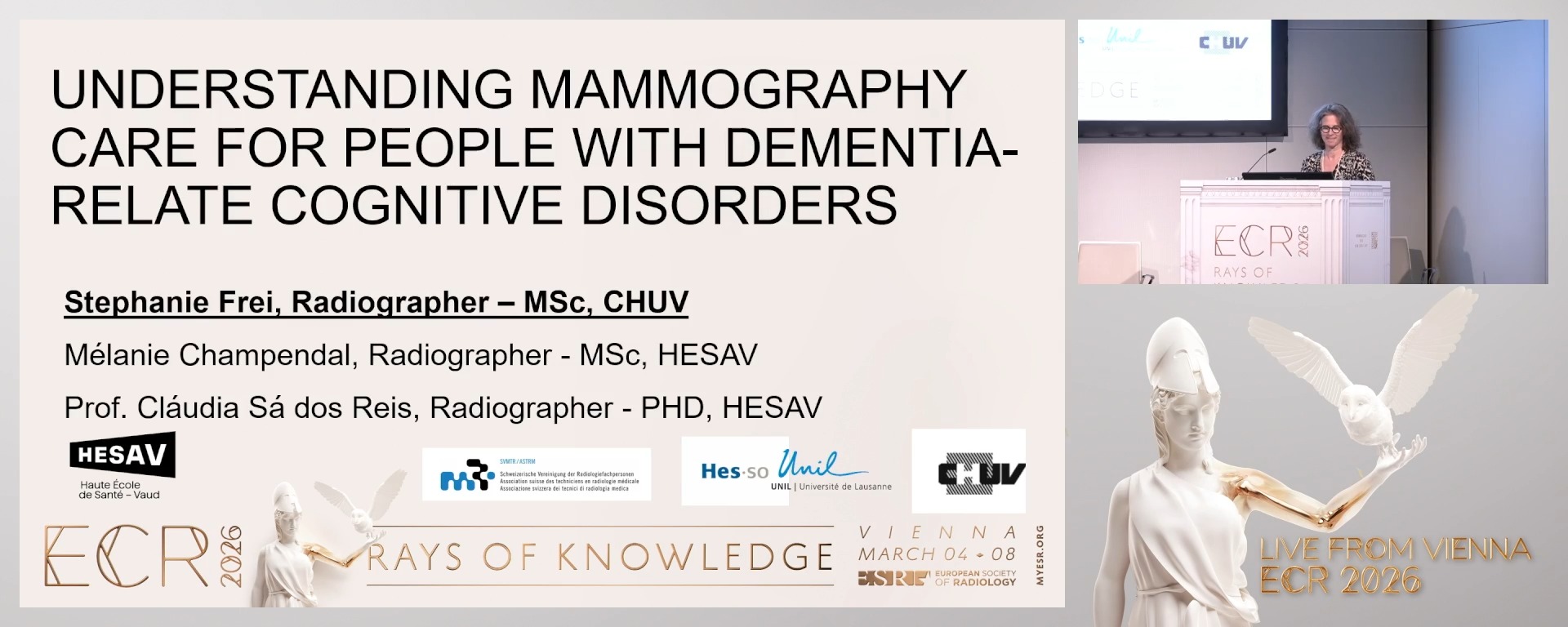
Understanding Mammography Care for People with Dementia-Related Cognitive Disorders
06:00Stephanie Frei, Le Vaud / CH
2
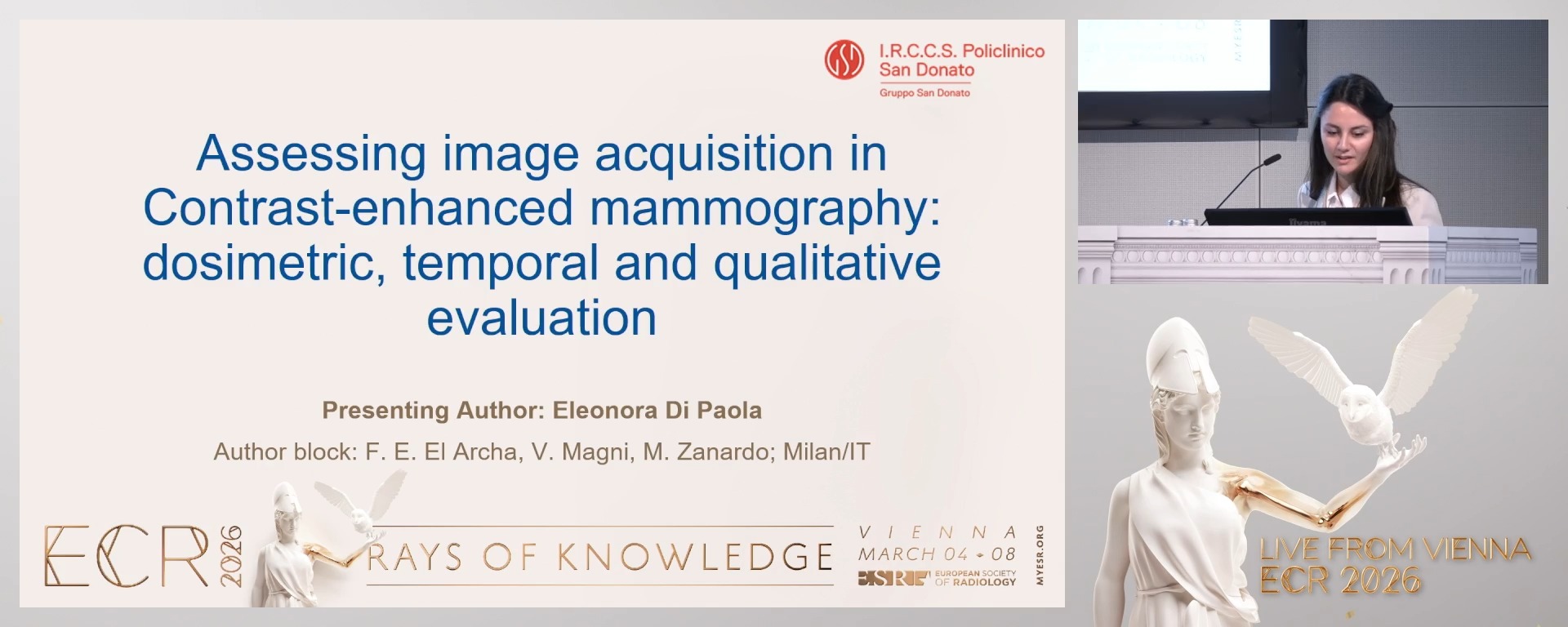
Assessing image acquisition in Contrast-enhanced mammography: dosimetric, temporal and qualitative evaluation
06:00Eleonora Di Paola, Corbetta / IT
3

Breast screening attendance amongst culturally and linguistically diverse women in Ireland
06:00Clare Rainey, Cork / IE
4
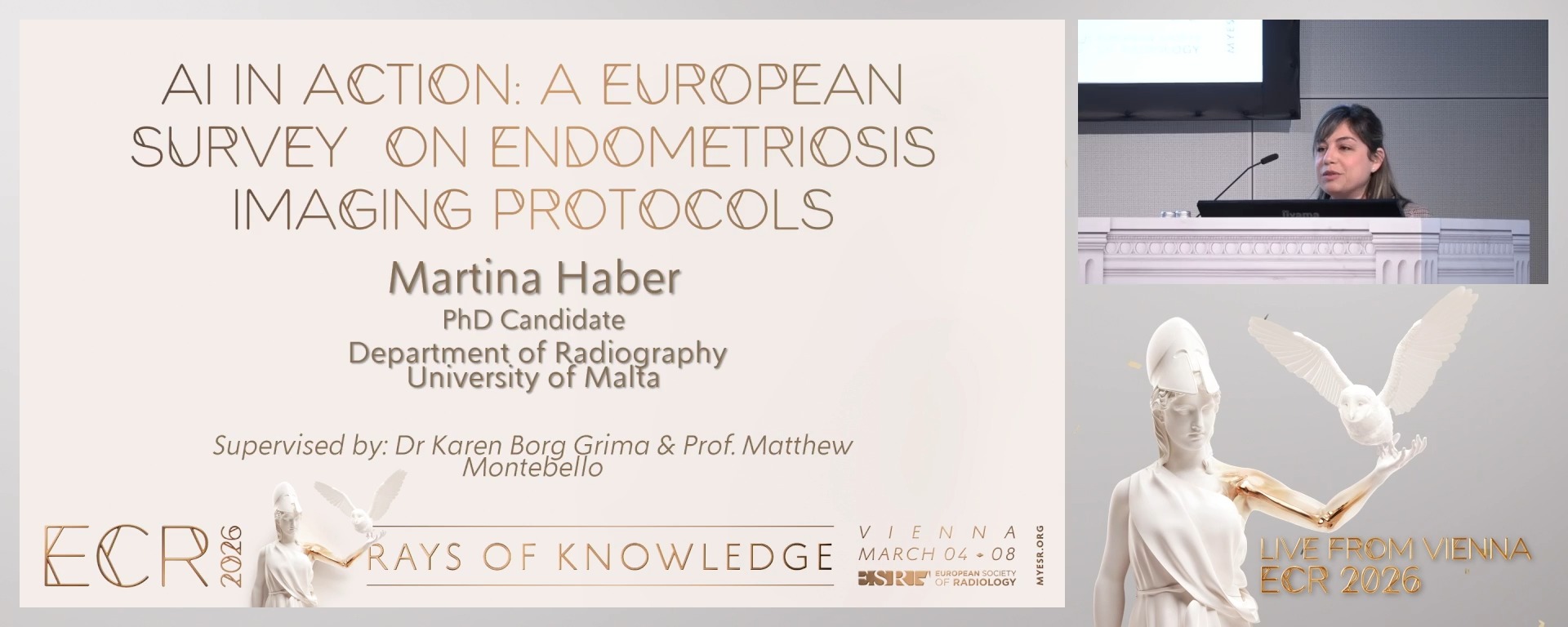
AI in action: a European radiography survey on Endometriosis diagnostic protocols
06:00Martina Haber, Zejtun / MT
5
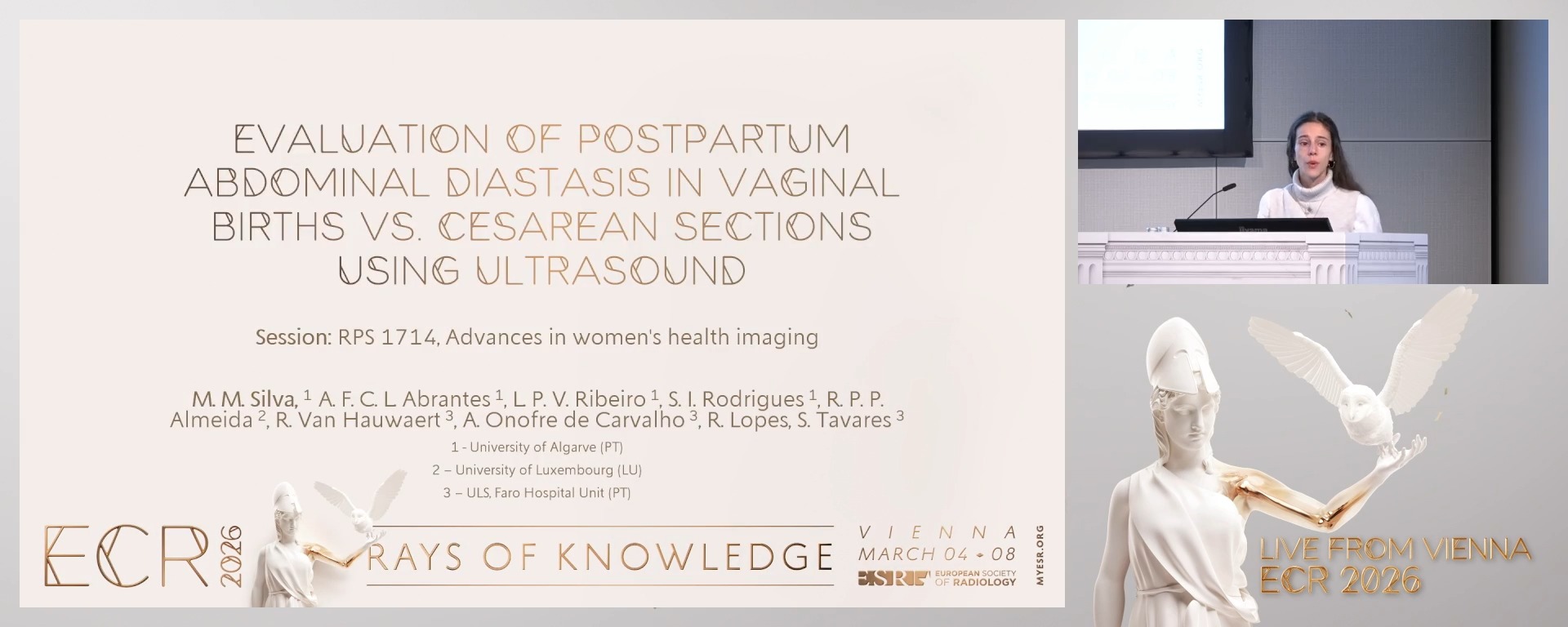
Evaluation of Postpartum Abdominal Diastasis in Vaginal Births vs. Cesarean Sections Using Ultrasound
06:00Magda Miranda Silva, Lousã / PT
6
Improving Early Pregnancy Outcomes: Predictive Tools for Threatened Miscarriage
06:00Lara Sammut, Madliena / MT
7
Radiofrequency Echographic Multispectrometry (REMS) as a Tool for Osteoporosis Screening in Primary Care
06:00Rute Santos, Coimbra / PT
8
Hand bone densitometry: a more sensitive standard for the early bone damage in rheumatoid arthritis
06:00Meghana Avinash Deshmukh, Pune / IN
9

Fetal MRI: Challenges and Strategies for Optimal Patient Management
06:00Alket Collaku, Tirana / AL
6 min
Understanding Mammography Care for People with Dementia-Related Cognitive Disorders
Stephanie Frei, Le Vaud / Switzerland
Author Block: S. Frei, M. Champendal, R. Freund, C. S. D. Reis; Lausanne/CH
Purpose: The care of individuals with cognitive impairment related to dementia (CI) in the context of mammography remains insufficiently documented, despite its potential impact on examination quality. This study aimed to identify facilitators and barriers influencing the performance of mammography examinations in this context.
Methods or Background: A cross-sectional design was applied using a questionnaire developed in French, translated into German, and disseminated via professional radiography bodies. The survey covered four domains: sociodemographic characteristics, training, professional practices, structural environment. Data were analysed using descriptive and differential statistics (test exact de Fisher), supplemented by qualitative thematic analysis for open-ended questions. As no sensitive data were collected, ethics approval was not required.
Results or Findings: A total of 243 radiographers (233 females,10 males) responded. Only 2.8%(n=7) reported having received specific training on dementia-related care, while 82.3%(n=200) expressed a need for such preparation. Formal procedures were rare (1.6%,n=4), with 17.6%(n=43) of participants indicating adaptations as allocation of extra time to perform the examination. Implementation of facilitators varied according to experience and education but the presence of caregivers was highlighted. Structural limitations were also evident: over half of respondents (51.8%,n=126) reported working in departments with inadequate floors, raising concerns about accessibility and mobility of this population. Statistical significant differences (p<0.05) were identified according to the type of institution.
Conclusion: Findings demonstrate that recommended strategies to adapt mammography examinations for people with CI are inconsistently applied within practice. The absence of training, protocols, and supportive environments represents a barrier to provide adequate care. Targeted professional development, explicit procedural guidelines, and organisational adjustments are required to optimise patient management and ensure examination quality.
Limitations: Conducted in several languages
Funding for this study: Not applicable
Has your study been approved by an ethics committee? Not applicable
Ethics committee - additional information:
Purpose: The care of individuals with cognitive impairment related to dementia (CI) in the context of mammography remains insufficiently documented, despite its potential impact on examination quality. This study aimed to identify facilitators and barriers influencing the performance of mammography examinations in this context.
Methods or Background: A cross-sectional design was applied using a questionnaire developed in French, translated into German, and disseminated via professional radiography bodies. The survey covered four domains: sociodemographic characteristics, training, professional practices, structural environment. Data were analysed using descriptive and differential statistics (test exact de Fisher), supplemented by qualitative thematic analysis for open-ended questions. As no sensitive data were collected, ethics approval was not required.
Results or Findings: A total of 243 radiographers (233 females,10 males) responded. Only 2.8%(n=7) reported having received specific training on dementia-related care, while 82.3%(n=200) expressed a need for such preparation. Formal procedures were rare (1.6%,n=4), with 17.6%(n=43) of participants indicating adaptations as allocation of extra time to perform the examination. Implementation of facilitators varied according to experience and education but the presence of caregivers was highlighted. Structural limitations were also evident: over half of respondents (51.8%,n=126) reported working in departments with inadequate floors, raising concerns about accessibility and mobility of this population. Statistical significant differences (p<0.05) were identified according to the type of institution.
Conclusion: Findings demonstrate that recommended strategies to adapt mammography examinations for people with CI are inconsistently applied within practice. The absence of training, protocols, and supportive environments represents a barrier to provide adequate care. Targeted professional development, explicit procedural guidelines, and organisational adjustments are required to optimise patient management and ensure examination quality.
Limitations: Conducted in several languages
Funding for this study: Not applicable
Has your study been approved by an ethics committee? Not applicable
Ethics committee - additional information:
6 min
Assessing image acquisition in Contrast-enhanced mammography: dosimetric, temporal and qualitative evaluation
Eleonora Di Paola, Corbetta / Italy
Author Block: F. E. El Archa, E. Di Paola, V. Magni, S. Marziali, M. Zanardo, F. Sardanelli; Milan/IT
Purpose: Since technical variability in contrast-enhanced mammography (CEM) may compromise diagnostic performance, the aim of this study was to retrospectively evaluate adherence to acquisition protocols and image quality.
Methods or Background: A retrospective analysis was conducted on 122 CEM examinations performed at the Radiology department of IRCCS Policlinico San Donato between January 2019 and August 2020, using a dedicated digital mammography system (Senographe Pristina, GE Healthcare). Three domains were assessed: dosimetric parameters (kVp, mAs, compressed breast thickness); temporal data (acquisition times, overall examination duration); and qualitative criteria derived from the PGMI system, including pectoral muscle visualisation, nipple profile alignment, posterior nipple line (PNL) consistency, inclusion of the inframammary fold, pectoral muscle shape, and the presence of artefacts or excluded tissue. Descriptive statistics were applied.
Results or Findings: Median kVp was 34 (IQR 34–34), median mAs 40.6 (IQR 32.3–49.1), and mean compressed breast thickness 5.5 ± 1.3 cm. The recommended 10-minute post-contrast window was consistently respected, with a mean examination duration of 1:22 minutes (maximum 4:13).
Qualitative analysis showed frequent deviations from positioning standards. The pectoral muscle was absent in 106/122 (87%) CC-right views and in 103/122 (84%) CC-left views. Nipple profile was inadequate in 22/122 (18%) CC views and 43/122 (35%) MLO views. PNL discrepancies >1 cm occurred in 81% patients. The inframammary fold was included in 101/122 (83%) MLO-right views and in 99/122 (81%) MLO-left views, but perfectly visualised in only 3/122 (2%) and 5/122 (4%) cases, respectively. Exclusion of glandular tissue occurred in 115/122 (94%) cases.
Conclusion: CEM examinations demonstrated marked heterogeneity in image acquisition, with frequent failure to meet positioning criteria.
These findings highlight the urgent need for standardised acquisition protocols and quality assurance frameworks to optimise clinical implementation of CEM.
Limitations: Single-centre retrospective study.
Funding for this study: No funding was provided for this study.
Has your study been approved by an ethics committee? Not applicable
Ethics committee - additional information:
Purpose: Since technical variability in contrast-enhanced mammography (CEM) may compromise diagnostic performance, the aim of this study was to retrospectively evaluate adherence to acquisition protocols and image quality.
Methods or Background: A retrospective analysis was conducted on 122 CEM examinations performed at the Radiology department of IRCCS Policlinico San Donato between January 2019 and August 2020, using a dedicated digital mammography system (Senographe Pristina, GE Healthcare). Three domains were assessed: dosimetric parameters (kVp, mAs, compressed breast thickness); temporal data (acquisition times, overall examination duration); and qualitative criteria derived from the PGMI system, including pectoral muscle visualisation, nipple profile alignment, posterior nipple line (PNL) consistency, inclusion of the inframammary fold, pectoral muscle shape, and the presence of artefacts or excluded tissue. Descriptive statistics were applied.
Results or Findings: Median kVp was 34 (IQR 34–34), median mAs 40.6 (IQR 32.3–49.1), and mean compressed breast thickness 5.5 ± 1.3 cm. The recommended 10-minute post-contrast window was consistently respected, with a mean examination duration of 1:22 minutes (maximum 4:13).
Qualitative analysis showed frequent deviations from positioning standards. The pectoral muscle was absent in 106/122 (87%) CC-right views and in 103/122 (84%) CC-left views. Nipple profile was inadequate in 22/122 (18%) CC views and 43/122 (35%) MLO views. PNL discrepancies >1 cm occurred in 81% patients. The inframammary fold was included in 101/122 (83%) MLO-right views and in 99/122 (81%) MLO-left views, but perfectly visualised in only 3/122 (2%) and 5/122 (4%) cases, respectively. Exclusion of glandular tissue occurred in 115/122 (94%) cases.
Conclusion: CEM examinations demonstrated marked heterogeneity in image acquisition, with frequent failure to meet positioning criteria.
These findings highlight the urgent need for standardised acquisition protocols and quality assurance frameworks to optimise clinical implementation of CEM.
Limitations: Single-centre retrospective study.
Funding for this study: No funding was provided for this study.
Has your study been approved by an ethics committee? Not applicable
Ethics committee - additional information:
6 min
Breast screening attendance amongst culturally and linguistically diverse women in Ireland
Clare Rainey, Cork / Ireland
Author Block: C. Power, M. F. Mcentee, C. Rainey, J. ONeill, L. McLaughlin, P. C. Murphy, A. England; Cork/IE
Purpose: To identify the gap in breast screening services in Ireland for this population of women, promoting inclusiveness in breast cancer services.
Methods or Background: Cultural and linguistic diversity is increasing worldwide with a significant increase in migration. Access of breast cancer services for cultural and linguistically diverse women in Ireland may impose challenges, due to many factors including lack of education, language, social and cultural factors. Breast cancer is one of the most common cancers diagnosed in women worldwide, however screening rates vary amongst populations with cultural and linguistically diverse women having lower screening rates when compared with the general population of women.
Using a qualitative approach, this study aims to explore the personal perspectives of cultural and linguistically diverse women in accessing breast cancer services in Ireland, through 1:1 face-to-face online interviews.
Results or Findings: Five themes and two subthemes emerged throughout discussion which included, barriers and facilitators to accessing care, reflection on previous experience in home country, knowledge and awareness of breast cancer/breast health, knowledge and awareness of screening/health care provision in Ireland for breast cancer and breast health, and recommendations/ healthcare strategies to improve services for the culturally and linguistically diverse population.
Conclusion: Culturally and linguistically diverse women’s access to breast cancer screening and services in Ireland is influenced by a variety of factors, some favourable and others unfavourable. Raising education and awareness for culturally and linguistically diverse women around breast health and breast cancer services may lead to increased screening rates and improved outcomes for these women.
Limitations: This study included only those who were proficient in English, thus might not be representative of all seeking asylum.
Funding for this study: None
Has your study been approved by an ethics committee? Yes
Ethics committee - additional information: University College Cork (UCC) Medical School Social Research Ethics Committee (SREC) on 7th of November 2024.
Purpose: To identify the gap in breast screening services in Ireland for this population of women, promoting inclusiveness in breast cancer services.
Methods or Background: Cultural and linguistic diversity is increasing worldwide with a significant increase in migration. Access of breast cancer services for cultural and linguistically diverse women in Ireland may impose challenges, due to many factors including lack of education, language, social and cultural factors. Breast cancer is one of the most common cancers diagnosed in women worldwide, however screening rates vary amongst populations with cultural and linguistically diverse women having lower screening rates when compared with the general population of women.
Using a qualitative approach, this study aims to explore the personal perspectives of cultural and linguistically diverse women in accessing breast cancer services in Ireland, through 1:1 face-to-face online interviews.
Results or Findings: Five themes and two subthemes emerged throughout discussion which included, barriers and facilitators to accessing care, reflection on previous experience in home country, knowledge and awareness of breast cancer/breast health, knowledge and awareness of screening/health care provision in Ireland for breast cancer and breast health, and recommendations/ healthcare strategies to improve services for the culturally and linguistically diverse population.
Conclusion: Culturally and linguistically diverse women’s access to breast cancer screening and services in Ireland is influenced by a variety of factors, some favourable and others unfavourable. Raising education and awareness for culturally and linguistically diverse women around breast health and breast cancer services may lead to increased screening rates and improved outcomes for these women.
Limitations: This study included only those who were proficient in English, thus might not be representative of all seeking asylum.
Funding for this study: None
Has your study been approved by an ethics committee? Yes
Ethics committee - additional information: University College Cork (UCC) Medical School Social Research Ethics Committee (SREC) on 7th of November 2024.
6 min
AI in action: a European radiography survey on Endometriosis diagnostic protocols
Martina Haber, Zejtun / Malta
Author Block: M. Haber, M. Montebello, K. Borg Grima; Msida/MT
Purpose: Endometriosis is a chronic, gynaecological condition that affects approximately 10% of females worldwide, with an average diagnostic delay of 6-12 years. While, AI shows promise in aiding diagnosis, a gap exists regarding its practical applications and the radiography professionals’ perceptions on its use. The study aims to compare imaging protocols for endometriosis used within Europe in MRI and gynaecological ultrasound. It will assess radiographers' knowledge and awareness of AI-based diagnostic tools.
Methods or Background: This study comprises a phase of an ongoing PhD study. An online survey will be distributed through the European Federation of Radiographer Societies (EFRS). The survey is targeted at radiographers working in MRI or gynaecological ultrasound. Its objective is to gather insights into the current medical imaging procedures and protocols used in diagnosing Endometriosis, while collecting information on the awareness and use of AI-based tools in clinical practice.
Results or Findings: A systematic review of 116 articles conducted in February 2025 highlighted a need for further research on the use of AI in the diagnosis of Endometriosis. The results of this survey will reveal region-specific practices, variations in imaging protocols, and the perceived value for the adoption of AI-based diagnostic tools within the radiography community.
Conclusion: The findings from this survey will provide an overview of radiography practices and the perceived utility of AI in Endometriosis diagnosis. The results could inform the standardisation of imaging protocols used in MRI and gynaecological ultrasound to diagnose this pathology. Data collected can provide information to professional bodies and educational institutions on the integration of AI-based tools.
Limitations: Limitations of the study relate to the use of an online survey which may limit responses while introducing a response bias, since self-reported data reflects participants' perceptions and practices.
Funding for this study: No funding was received for this study.
Has your study been approved by an ethics committee? Yes
Ethics committee - additional information: The study was approved by the University of Malta Research Ethics committee (reference number: FHS-2025-00146).
Purpose: Endometriosis is a chronic, gynaecological condition that affects approximately 10% of females worldwide, with an average diagnostic delay of 6-12 years. While, AI shows promise in aiding diagnosis, a gap exists regarding its practical applications and the radiography professionals’ perceptions on its use. The study aims to compare imaging protocols for endometriosis used within Europe in MRI and gynaecological ultrasound. It will assess radiographers' knowledge and awareness of AI-based diagnostic tools.
Methods or Background: This study comprises a phase of an ongoing PhD study. An online survey will be distributed through the European Federation of Radiographer Societies (EFRS). The survey is targeted at radiographers working in MRI or gynaecological ultrasound. Its objective is to gather insights into the current medical imaging procedures and protocols used in diagnosing Endometriosis, while collecting information on the awareness and use of AI-based tools in clinical practice.
Results or Findings: A systematic review of 116 articles conducted in February 2025 highlighted a need for further research on the use of AI in the diagnosis of Endometriosis. The results of this survey will reveal region-specific practices, variations in imaging protocols, and the perceived value for the adoption of AI-based diagnostic tools within the radiography community.
Conclusion: The findings from this survey will provide an overview of radiography practices and the perceived utility of AI in Endometriosis diagnosis. The results could inform the standardisation of imaging protocols used in MRI and gynaecological ultrasound to diagnose this pathology. Data collected can provide information to professional bodies and educational institutions on the integration of AI-based tools.
Limitations: Limitations of the study relate to the use of an online survey which may limit responses while introducing a response bias, since self-reported data reflects participants' perceptions and practices.
Funding for this study: No funding was received for this study.
Has your study been approved by an ethics committee? Yes
Ethics committee - additional information: The study was approved by the University of Malta Research Ethics committee (reference number: FHS-2025-00146).
6 min
Evaluation of Postpartum Abdominal Diastasis in Vaginal Births vs. Cesarean Sections Using Ultrasound
Magda Miranda Silva, Lousã / Portugal

Author Block: M. M. Silva1, A. F. C. L. Abrantes2, L. P. V. Ribeiro3, S. I. Rodrigues1, R. P. P. Almeida4, R. Van Hauwaert4, A. Onofre de Carvalho1, R. Lopes5, S. Tavares5; 1Faro/PT, 2Évora/PT, 3Lagoa/PT, 4São Brás de Alportel/PT, 5Lisboa/PT
Purpose: This study aims to assess the prevalence of rectus abdominis diastasis in nulliparous postpartum women, identifying associated factors and differences between vaginal delivery and cesarean section, reinforcing the role of ultrasound as a diagnostic and monitoring
method.
Methods or Background: A quantitative descriptive correlational design, was applied to a convenience sample of 50 women (25 vaginal, 25 cesarean), aged 18–40 years, with 37–42 weeks of gestation. Diastasis was assessed by ultrasound at three standardized points: ½ supraumbilical (>1.5
cm), ¼ supraumbilical (>2.6 cm), and ½ infraumbilical (>1.8 cm). Total diastasis was defined when all three points were positive, and classified as severe if any exceeded 2.5 cm.
Results or Findings: No statistically significant associations were observed between the type of delivery or the percentile of the newborn and abdominal diastasis, although a moderate negative correlation was observed between higher percentiles and diastasis in the supraumbilical
region in eutocic deliveries (rs=-0.45, p=0.02). Pre-delivery body mass index (BMI) was found to be a significant variable, showing a moderate negative correlation with supraumbilical diastasis (rs=-0.390, p=0.01), especially in eutocic deliveries. Pre-pregnancy
physical activity did not show significant influence. Diastasis prevalence was highest in supra- and infraumbilical regions, with lower incidence at the umbilicus.
Conclusion: Postpartum abdominal diastasis was common, especially supra- and infraumbilically. Pre-pregnancy BMI emerged as the main factor influencing its extent, while delivery type, neonatal percentile, and exercise showed limited impact. These findings highlight theimportance of standardized ultrasound protocols for early detection, follow-up, and guidance of preventive and therapeutic strategies in abdominal wall recovery after childbirth.
Limitations: The sample size.
Funding for this study: I did not receive any funding for this research.
Has your study been approved by an ethics committee? Yes
Ethics committee - additional information: In accordance with ethical standards, this study obtained ensured privacy, and received approval from the institutional ethics committee (CEUAlg Pn° 90 /2024).
Purpose: This study aims to assess the prevalence of rectus abdominis diastasis in nulliparous postpartum women, identifying associated factors and differences between vaginal delivery and cesarean section, reinforcing the role of ultrasound as a diagnostic and monitoring
method.
Methods or Background: A quantitative descriptive correlational design, was applied to a convenience sample of 50 women (25 vaginal, 25 cesarean), aged 18–40 years, with 37–42 weeks of gestation. Diastasis was assessed by ultrasound at three standardized points: ½ supraumbilical (>1.5
cm), ¼ supraumbilical (>2.6 cm), and ½ infraumbilical (>1.8 cm). Total diastasis was defined when all three points were positive, and classified as severe if any exceeded 2.5 cm.
Results or Findings: No statistically significant associations were observed between the type of delivery or the percentile of the newborn and abdominal diastasis, although a moderate negative correlation was observed between higher percentiles and diastasis in the supraumbilical
region in eutocic deliveries (rs=-0.45, p=0.02). Pre-delivery body mass index (BMI) was found to be a significant variable, showing a moderate negative correlation with supraumbilical diastasis (rs=-0.390, p=0.01), especially in eutocic deliveries. Pre-pregnancy
physical activity did not show significant influence. Diastasis prevalence was highest in supra- and infraumbilical regions, with lower incidence at the umbilicus.
Conclusion: Postpartum abdominal diastasis was common, especially supra- and infraumbilically. Pre-pregnancy BMI emerged as the main factor influencing its extent, while delivery type, neonatal percentile, and exercise showed limited impact. These findings highlight theimportance of standardized ultrasound protocols for early detection, follow-up, and guidance of preventive and therapeutic strategies in abdominal wall recovery after childbirth.
Limitations: The sample size.
Funding for this study: I did not receive any funding for this research.
Has your study been approved by an ethics committee? Yes
Ethics committee - additional information: In accordance with ethical standards, this study obtained ensured privacy, and received approval from the institutional ethics committee (CEUAlg Pn° 90 /2024).
6 min
Improving Early Pregnancy Outcomes: Predictive Tools for Threatened Miscarriage
Lara Sammut, Madliena / Malta
Author Block: L. Sammut; Msida/MT
Purpose: To investigate the prevalence, risk factors, and predictive markers of threatened miscarriage (TM) through a structured three-part research design in a national state hospital.
Methods or Background: The study comprised three components:
- A retrospective cohort of 711 women presenting with first-trimester bleeding.
- A scoping review of 128 studies evaluating ultrasound and biochemical predictors.
- A prospective case-control study of 118 TM cases and 59 controls, using ultrasound, biochemical, clinical, and demographic data, analysed through logistic regression and random forest modelling.
Results or Findings: - Retrospective cohort: 33.9% of TM cases progressed to live births beyond 22 weeks. Advanced maternal age (≥35 years) increased miscarriage risk. Neonates following TM had lower birthweights (female: 3008g vs 3239g; male: 3085g vs 3346g, P < 0.001) and shorter gestational ages (female: 38.1 vs 39.0 weeks; male: 38.0 vs 38.6 weeks, P < 0.05).
- Scoping review: Intrauterine haematoma, yolk sac abnormalities, and fetal heart rate deviations emerged as strong ultrasound predictors. Combined with biochemical markers (e.g., beta-hCG), predictive value improved, but heterogeneity limited generalisability.
- Prospective case-control: Key predictors included progesterone, trophoblast thickness, mean gestational sac diameter, cervical length, sFlt-1:PlGF ratio, and maternal age. Logistic regression and random forest models performed strongly (AUC 0.85 and 0.968; accuracies 82.7% and 93.1%).
Conclusion: TM significantly affects perinatal outcomes. Integrated ultrasound, biochemical, and clinical markers can reliably predict miscarriage risk. These findings support the development of structured early pregnancy pathways to improve care delivery.
Limitations: Single-centre recruitment, and limited sample sizes for some analyses may affect generalisability.
Funding for this study: None
Has your study been approved by an ethics committee? Yes
Ethics committee - additional information: Ethical approval was obtained from the hospital's Data Protection Officer (DPO) and Chief Executive Officer (CEO) and the University of Malta Research Ethics Committee (UREC).
Purpose: To investigate the prevalence, risk factors, and predictive markers of threatened miscarriage (TM) through a structured three-part research design in a national state hospital.
Methods or Background: The study comprised three components:
- A retrospective cohort of 711 women presenting with first-trimester bleeding.
- A scoping review of 128 studies evaluating ultrasound and biochemical predictors.
- A prospective case-control study of 118 TM cases and 59 controls, using ultrasound, biochemical, clinical, and demographic data, analysed through logistic regression and random forest modelling.
Results or Findings: - Retrospective cohort: 33.9% of TM cases progressed to live births beyond 22 weeks. Advanced maternal age (≥35 years) increased miscarriage risk. Neonates following TM had lower birthweights (female: 3008g vs 3239g; male: 3085g vs 3346g, P < 0.001) and shorter gestational ages (female: 38.1 vs 39.0 weeks; male: 38.0 vs 38.6 weeks, P < 0.05).
- Scoping review: Intrauterine haematoma, yolk sac abnormalities, and fetal heart rate deviations emerged as strong ultrasound predictors. Combined with biochemical markers (e.g., beta-hCG), predictive value improved, but heterogeneity limited generalisability.
- Prospective case-control: Key predictors included progesterone, trophoblast thickness, mean gestational sac diameter, cervical length, sFlt-1:PlGF ratio, and maternal age. Logistic regression and random forest models performed strongly (AUC 0.85 and 0.968; accuracies 82.7% and 93.1%).
Conclusion: TM significantly affects perinatal outcomes. Integrated ultrasound, biochemical, and clinical markers can reliably predict miscarriage risk. These findings support the development of structured early pregnancy pathways to improve care delivery.
Limitations: Single-centre recruitment, and limited sample sizes for some analyses may affect generalisability.
Funding for this study: None
Has your study been approved by an ethics committee? Yes
Ethics committee - additional information: Ethical approval was obtained from the hospital's Data Protection Officer (DPO) and Chief Executive Officer (CEO) and the University of Malta Research Ethics Committee (UREC).
6 min
Radiofrequency Echographic Multispectrometry (REMS) as a Tool for Osteoporosis Screening in Primary Care
Rute Santos, Coimbra / Portugal
Author Block: R. Santos, A. I. Saraiva Vieira; Coimbra/PT
Purpose: Radiofrequency echographic multispectrometry (REMS) has emerged as a promising, non-ionising, portable, and accessible alternative for osteoporosis diagnosis, with potential for use in primary healthcare. This study aimed to evaluate the effectiveness of REMS in detecting osteoporosis in this setting.
Methods or Background: Bone mineral density (BMD) was assessed in 86 participants through 172 REMS scans of the lumbar spine and femur, conducted in two Portuguese primary healthcare units (Guarda region).
Results or Findings: In the lumbar spine, 51.2% of participants were classified with osteopenia and 31.4% with osteoporosis. In the femur, 43.0% had osteopenia and 34.9% osteoporosis. These findings reveal a high prevalence of bone fragility. REMS-derived BMD showed good concordance with clinical diagnosis, supporting its reliability for early detection.
Conclusion: REMS-based bone densitometry, performed by radiographers in primary healthcare, represents a feasible and innovative alternative for the early and effective detection of osteoporosis and osteopenia.
Limitations: This study is limited by its small, exclusively Caucasian sample, which may reduce the generalisability of the results. The use of self-reported questionnaires for fracture history and lifestyle factors introduces potential recall bias. Moreover, the absence of DXA comparison and clinical confirmation of osteoporosis/osteopenia constrains the robustness of the findings. Finally, the lack of frailty and body composition analysis restricted a more comprehensive assessment of fracture risk.
Funding for this study: N/A
Has your study been approved by an ethics committee? Yes
Ethics committee - additional information: The study was approved bythe Board of Directors and the Ethics Committee of the Unidade Local de Saúde da Guarda(No. UI-NS-240033).
Purpose: Radiofrequency echographic multispectrometry (REMS) has emerged as a promising, non-ionising, portable, and accessible alternative for osteoporosis diagnosis, with potential for use in primary healthcare. This study aimed to evaluate the effectiveness of REMS in detecting osteoporosis in this setting.
Methods or Background: Bone mineral density (BMD) was assessed in 86 participants through 172 REMS scans of the lumbar spine and femur, conducted in two Portuguese primary healthcare units (Guarda region).
Results or Findings: In the lumbar spine, 51.2% of participants were classified with osteopenia and 31.4% with osteoporosis. In the femur, 43.0% had osteopenia and 34.9% osteoporosis. These findings reveal a high prevalence of bone fragility. REMS-derived BMD showed good concordance with clinical diagnosis, supporting its reliability for early detection.
Conclusion: REMS-based bone densitometry, performed by radiographers in primary healthcare, represents a feasible and innovative alternative for the early and effective detection of osteoporosis and osteopenia.
Limitations: This study is limited by its small, exclusively Caucasian sample, which may reduce the generalisability of the results. The use of self-reported questionnaires for fracture history and lifestyle factors introduces potential recall bias. Moreover, the absence of DXA comparison and clinical confirmation of osteoporosis/osteopenia constrains the robustness of the findings. Finally, the lack of frailty and body composition analysis restricted a more comprehensive assessment of fracture risk.
Funding for this study: N/A
Has your study been approved by an ethics committee? Yes
Ethics committee - additional information: The study was approved bythe Board of Directors and the Ethics Committee of the Unidade Local de Saúde da Guarda(No. UI-NS-240033).
6 min
Hand bone densitometry: a more sensitive standard for the early bone damage in rheumatoid arthritis
Meghana Avinash Deshmukh, Pune / India
Author Block: M. A. Deshmukh, P. C. P. Joshi, J. D' Souza; Pune/IN
Purpose: To determine the role of dual‐energy X ray absorptiometry (DEXA) compared with plain radiography in early rheumatoid arthritis of hand who have active disease.
Methods or Background: This study included 69 patients with suspicion of rheumatoid arthritis underwent DEXA scans of both hands, performed according to a standardised procedure for each site. For whole hand DEXA, all hand bones distal from the wrist joint were included in the measurement, the hand is put flat on a table and fingers extended.
Plain radiographs were also performed of both hands and the joint damage score was calculated by van der Heijde modification of the Sharp method. Final diagnosis was made on RA Factor test. Diagnostic accuracy was evaluated via sensitivity and specificity.
Results or Findings: In this cross-sectional study of 69 patients with suspected early rheumatoid arthritis of the hand dual-energy X-ray absorptiometry (DEXA) and plain radiography were used to assess BMD loss. DEXA identified BMD loss in 49 out of 69 patients (71.0%). Plain radiography detected BMD loss in only 12 patients (17.4%). All patients who were positive on X-ray were also detected as positive by DEXA, indicating 100% agreement in radiographically confirmed cases. Additionally, DEXA identified 37 patients with BMD loss not detected by X-ray, who came out to be positive for rheumatoid arthritis.
Conclusion: This study underscores the superior sensitivity of hand DEXA over conventional hand radiographic joint damage scoring in detecting early bone damage in patients with rheumatoid arthritis. Traditional radiography, it often fails to identify subtle, preclinical changes in bone mineral density that precede visible erosions. The enhanced sensitivity of hand DEXA not only facilitates timely diagnosis but also enables more accurate monitoring of disease activity and treatment response.
Limitations: Loss to followup.
Funding for this study: No funding.
Has your study been approved by an ethics committee? Not applicable
Ethics committee - additional information:
Purpose: To determine the role of dual‐energy X ray absorptiometry (DEXA) compared with plain radiography in early rheumatoid arthritis of hand who have active disease.
Methods or Background: This study included 69 patients with suspicion of rheumatoid arthritis underwent DEXA scans of both hands, performed according to a standardised procedure for each site. For whole hand DEXA, all hand bones distal from the wrist joint were included in the measurement, the hand is put flat on a table and fingers extended.
Plain radiographs were also performed of both hands and the joint damage score was calculated by van der Heijde modification of the Sharp method. Final diagnosis was made on RA Factor test. Diagnostic accuracy was evaluated via sensitivity and specificity.
Results or Findings: In this cross-sectional study of 69 patients with suspected early rheumatoid arthritis of the hand dual-energy X-ray absorptiometry (DEXA) and plain radiography were used to assess BMD loss. DEXA identified BMD loss in 49 out of 69 patients (71.0%). Plain radiography detected BMD loss in only 12 patients (17.4%). All patients who were positive on X-ray were also detected as positive by DEXA, indicating 100% agreement in radiographically confirmed cases. Additionally, DEXA identified 37 patients with BMD loss not detected by X-ray, who came out to be positive for rheumatoid arthritis.
Conclusion: This study underscores the superior sensitivity of hand DEXA over conventional hand radiographic joint damage scoring in detecting early bone damage in patients with rheumatoid arthritis. Traditional radiography, it often fails to identify subtle, preclinical changes in bone mineral density that precede visible erosions. The enhanced sensitivity of hand DEXA not only facilitates timely diagnosis but also enables more accurate monitoring of disease activity and treatment response.
Limitations: Loss to followup.
Funding for this study: No funding.
Has your study been approved by an ethics committee? Not applicable
Ethics committee - additional information:
6 min
Fetal MRI: Challenges and Strategies for Optimal Patient Management
Alket Collaku, Tirana / Albania
Author Block: A. Collaku1, E. Dybeli2, Z. Mulla1, F. Goga1; 1Tirana/AL, 2Elbasan/AL
Purpose: To discuss the main challenges of fetal MRI and propose practical approaches for handling different patients, with focus on maternal comfort, technical optimization, and safety.
Methods or Background: Technical and patient-related factors influencing fetal MRI were reviewed. Special attention was given to motion artifacts, sequence selection, maternal positioning, and safety considerations. Strategies were evaluated across different gestational ages and maternal conditions, including obesity, claustrophobia, and multiple gestations.
Results or Findings: Fetal MRI provides high diagnostic value when ultrasound findings are inconclusive, especially in central nervous system, thoracic, and abdominal evaluation. However, challenges include fetal/maternal motion, maternal discomfort, and safety limitations. Optimal results are achieved between 20–28 weeks of gestation, when fetal size and mobility allow better image quality. Later stages require protocol adaptation with ultrafast sequences and repeated acquisitions. Maternal positioning with left lateral tilt reduces vena cava compression and improves tolerance. Wider bore scanners and effective patient communication are essential for obese and anxious patients. Gadolinium should be avoided, while SAR and acoustic noise must be carefully monitored.
Conclusion: Fetal MRI is a safe and effective diagnostic tool when protocols are tailored to gestational age and maternal condition. Success relies on balancing technical parameters with patient-centered care, ensuring both image quality and maternal-fetal safety.
Limitations: No
Funding for this study: No
Has your study been approved by an ethics committee? Not applicable
Ethics committee - additional information:
Purpose: To discuss the main challenges of fetal MRI and propose practical approaches for handling different patients, with focus on maternal comfort, technical optimization, and safety.
Methods or Background: Technical and patient-related factors influencing fetal MRI were reviewed. Special attention was given to motion artifacts, sequence selection, maternal positioning, and safety considerations. Strategies were evaluated across different gestational ages and maternal conditions, including obesity, claustrophobia, and multiple gestations.
Results or Findings: Fetal MRI provides high diagnostic value when ultrasound findings are inconclusive, especially in central nervous system, thoracic, and abdominal evaluation. However, challenges include fetal/maternal motion, maternal discomfort, and safety limitations. Optimal results are achieved between 20–28 weeks of gestation, when fetal size and mobility allow better image quality. Later stages require protocol adaptation with ultrafast sequences and repeated acquisitions. Maternal positioning with left lateral tilt reduces vena cava compression and improves tolerance. Wider bore scanners and effective patient communication are essential for obese and anxious patients. Gadolinium should be avoided, while SAR and acoustic noise must be carefully monitored.
Conclusion: Fetal MRI is a safe and effective diagnostic tool when protocols are tailored to gestational age and maternal condition. Success relies on balancing technical parameters with patient-centered care, ensuring both image quality and maternal-fetal safety.
Limitations: No
Funding for this study: No
Has your study been approved by an ethics committee? Not applicable
Ethics committee - additional information: