Special Focus Session
SF 7a - Staging of breast cancer
Lectures
1
Chairperson's introduction
05:00Eva M. Fallenberg, München / DE
2
Local staging: how and when?
13:00Iva Biondić Špoljar, Zagreb / HR
3
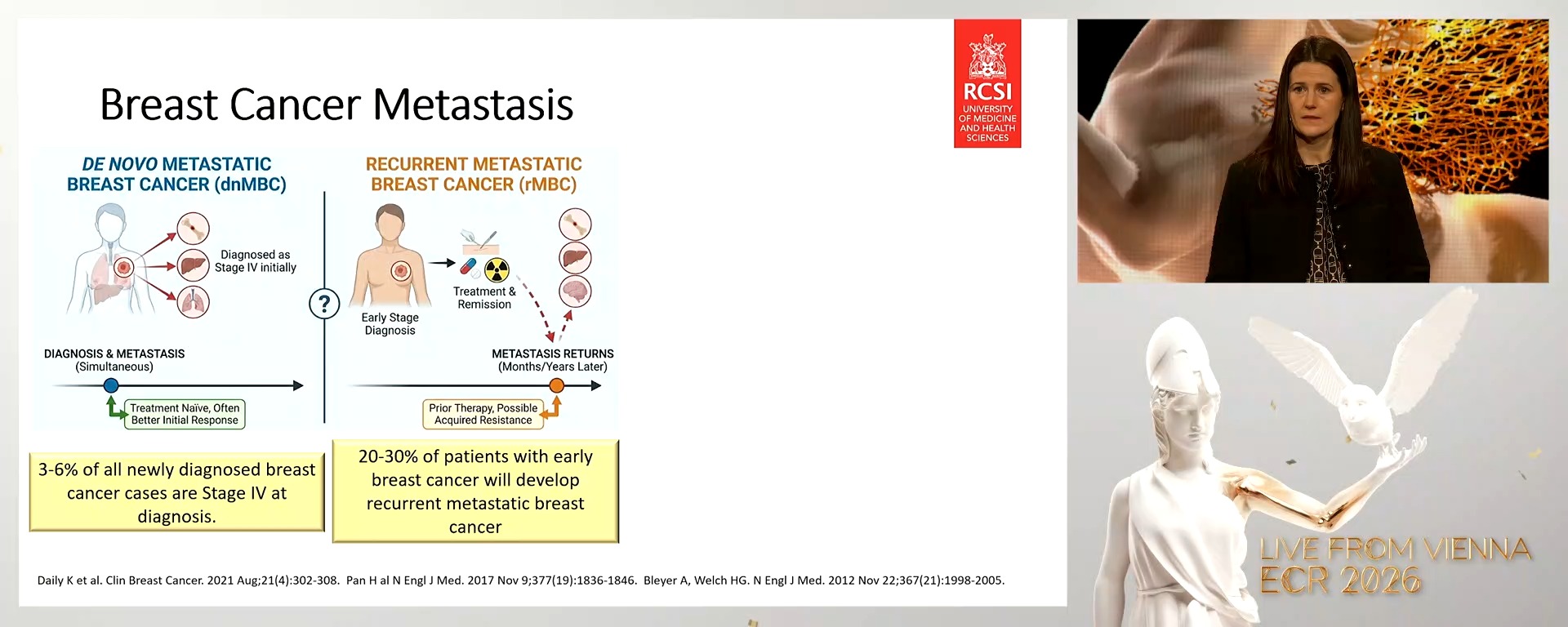
Imaging for metastasis: modality and patient selection
13:00Nuala Healy, Dublin / IE
4
PET: novel tracers and role of PET/MRI
13:00Thiemo Van Nijnatten, Maastricht / NL
5
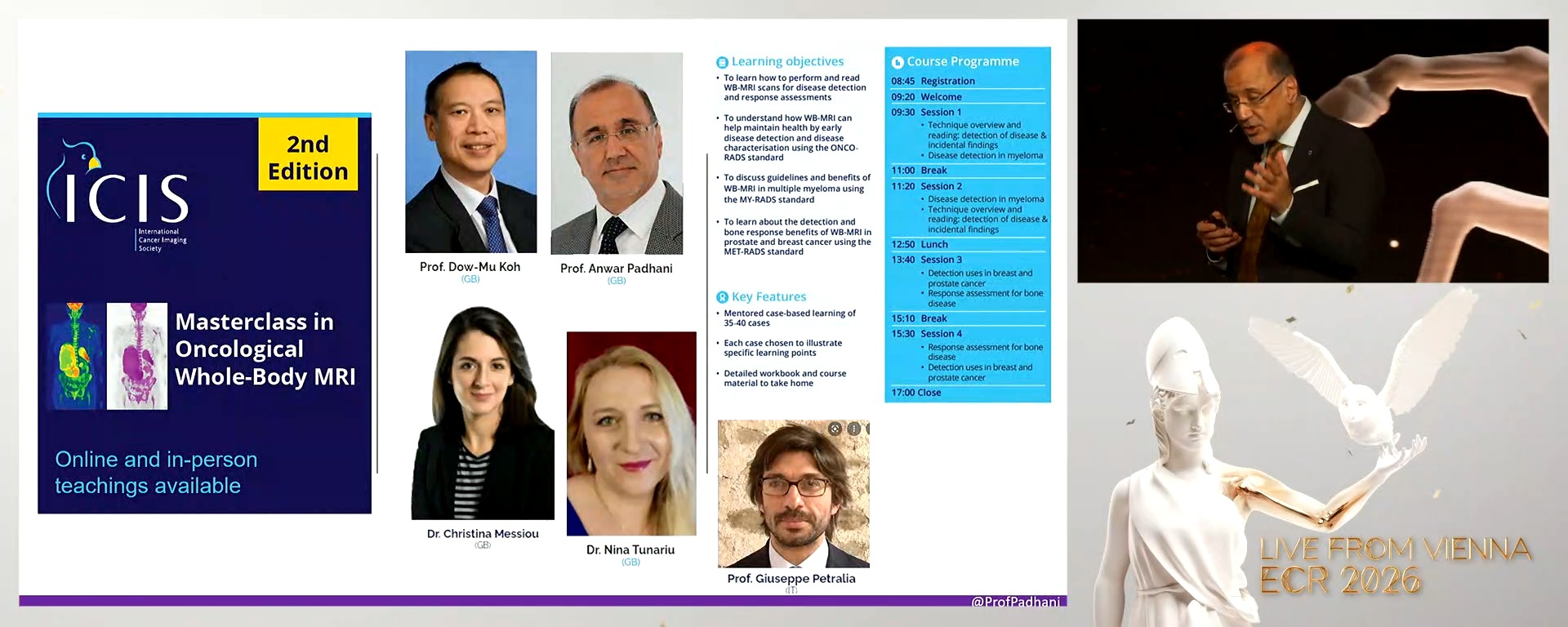
Whole-body MRI in breast imaging: is it useful?
13:00Anwar R. Padhani, Northwood / UK
6
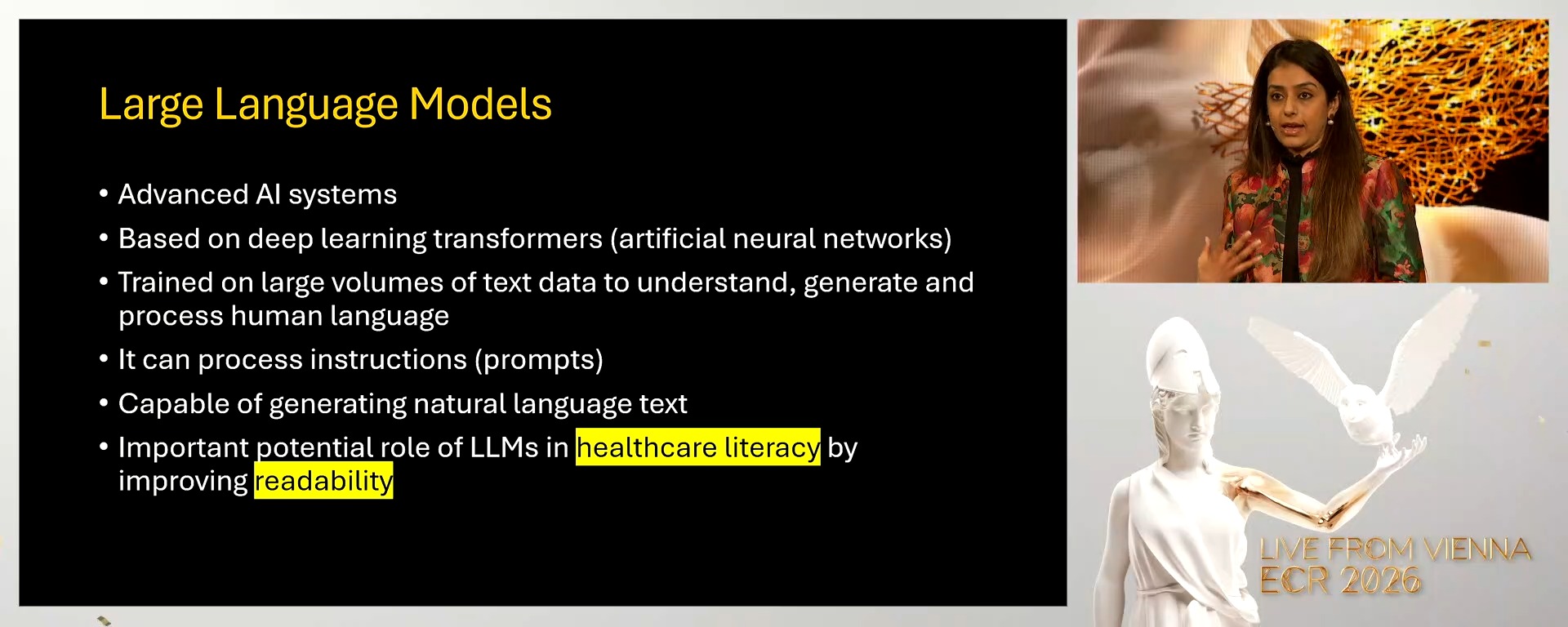
Utilising large language models to improve comprehension of breast imaging reports
10:00Hemal Grover, New York / US
7
Dream and reality: a patient perspective
13:00Alexandra Von Korff, Köln / DE
8
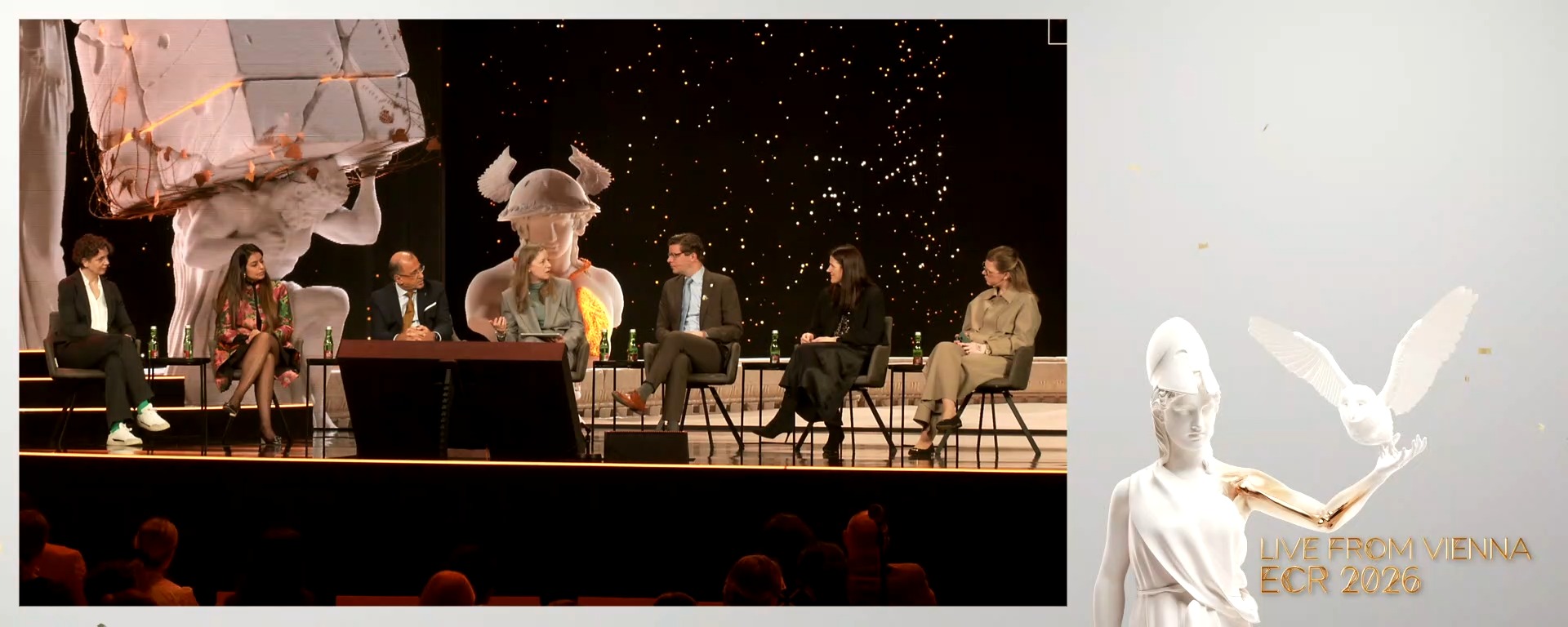
Panel discussion: Staging and monitoring of patients: how can we add value?
10:00Panel discussion: Staging and monitoring of patients: how can we add value?
5 min
Chairperson's introduction
Eva M. Fallenberg, München / Germany
13 min
Local staging: how and when?
Iva Biondić Špoljar, Zagreb / Croatia
- To explain the importance of breast cancer stagingin determining prognosis and guiding treatment decisions.
- To differentiate between the various types of staging, including clinical, pathological, and imaging-based staging.
- To understand the current guideline-based recommendationsfor imaging and staging work-up in newly diagnosed breast cancer.
13 min
Imaging for metastasis: modality and patient selection
Nuala Healy, Dublin / Ireland
- To discuss indications for performing staging for breast cancer metastasis to allow early detection to ensure optimal patient outcomes.
- To describe and evaluate current standard imaging techniques utilised in the staging of breast cancer metastasis, discussing strengths and limitations of these established modalities in clinical practice.
- To explore novel and emerging imaging techniques and modalities for detecting metastatic breast cancer.
13 min
PET: novel tracers and role of PET/MRI
Thiemo Van Nijnatten, Maastricht / Netherlands
- To understand the principle of a one-stop-shop approach using PET-MRI (including a diagnostic breast MRI) in breast cancer patients.
- To describe the current shortcomings of 18F-FDG PET in breast cancer patients.
- To name the novel PET tracers considered for clinical implementation in breast cancer patients.
13 min
Whole-body MRI in breast imaging: is it useful?
Anwar R. Padhani, Northwood / United Kingdom
- To highlight the limitations of traditional imaging in detecting bone deposits and understanding their therapeutic implications.
- To know about protocols and common indications for WB-MRI use, focusing on staging assessments.
- To address ongoing challenges and unanswered questions about the perceived effectiveness of WB-MRI in staging.
10 min
Utilising large language models to improve comprehension of breast imaging reports
Hemal Grover, New York / United States
- To evaluate the performance of large language models (like ChatGPT and Gemini in improving the readability of actionable breast imaging reports (ie BIRADS 3, 4 and 5).
- To evaluate the accuracy of LLM-generated layperson reports.
- To compare the performance of ChatGPT and Gemini.
13 min
Dream and reality: a patient perspective
Alexandra Von Korff, Köln / Germany
- To indicate the expectations and understanding of using staging examinations from a patient's perspective.
- To realise the fears and releases patients experience during their treatment path.
10 min
Panel discussion: Staging and monitoring of patients: how can we add value?